
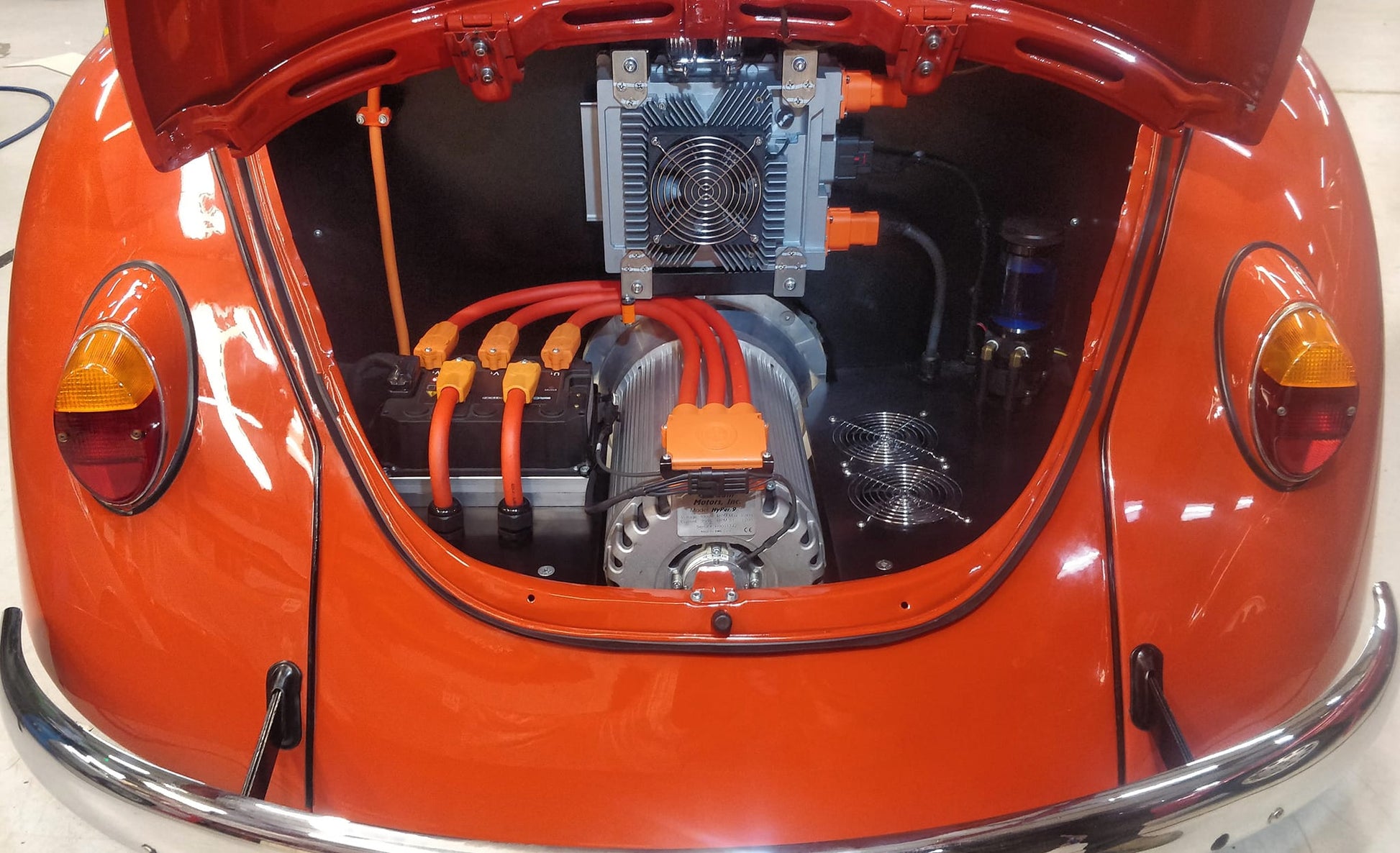
Let’s be honest. The romance of a classic car is undeniable—that throaty rumble, the scent of old leather and gasoline, the way it turns heads. But the reality? Well, it can be a finicky, unreliable, and frankly, inefficient affair. What if you could keep the soul and silhouette of your beloved classic but ditch the temperamental engine for silent, instant torque? That’s the promise of an EV conversion, or as it’s often called, an electric restomod.
It’s not just a pipe dream for tech billionaires anymore. The ecosystem for classic car EV conversion kits and components has exploded. This guide is your roadmap. We’ll walk through the why, the what, and the how—without the sugar-coating.
Why Go Electric? The Heart vs. Head Argument
Sure, purists will clutch their pearls. But the reasons to convert are compelling, blending emotion with cold, hard logic.
- Reliability & Usability: Imagine a car that starts every single time. No choke, no flooded carburetor, no points to set. It’s just… ready. You drive it more, you worry less.
- Performance Reimagined: Electric motors deliver 100% of their torque from zero RPM. That means a converted classic—say, a vintage Porsche 911 or a Mini—can have startling, silent acceleration that feels utterly surreal in an old body.
- The Sustainability Angle: You’re giving a beautiful piece of history a new, clean lease on life. It’s the ultimate upcycle. No tailpipe emissions, and if you charge with solar, well, that’s about as green as personal transport gets.
- Cost of Ownership (Long-Term): While the upfront EV powertrain retrofit cost is significant, you eliminate gas, oil changes, complex tune-ups, and many mechanical failure points. The math changes over a decade of ownership.
The Crucial First Step: Picking the Right Donor Car
Not every classic is a perfect candidate. Here’s the deal: you want a car that makes the wrenching worthwhile.
- Lightweight is Rightweight: Heavier cars need bigger, more expensive battery packs for decent range. A lightweight sports car or compact sedan is ideal. Think MGB, Fiat 124, Volkswagen Beetle, or early Ford Mustang.
- Rust is the Real Enemy: Seriously. A solid, rust-free body and frame are non-negotiable. You’re investing in a new powertrain; the last thing you need is a chassis crumbling beneath it. Spend your money here first.
- Space for Batteries: You need to stash battery modules somewhere—in the engine bay, the transmission tunnel, the fuel tank area, sometimes even in a custom subframe. A car with some clever packaging potential wins.
- Community & Kits: Check if there’s a crate motor EV conversion kit or known adapter plate for your model. A supportive online community can save you hundreds of hours.
The Core Components: What Actually Goes In
Strip away the complexity, and you’re really dealing with four main systems that replace the old engine, gas tank, and exhaust.
1. The Electric Motor(s)
This is your new heart. AC motors are most common for conversions due to their efficiency and regenerative braking capability. You can mount it where the old engine was (a direct replacement) or even consider a hub motor conversion for some cars, which places motors inside the wheels themselves—freeing up tons of space.
2. The Battery Pack
The single most expensive and critical component. Lithium-ion (Li-ion) is the standard, with Lithium Iron Phosphate (LiFePO4) gaining favor for its safety and longevity. Range depends entirely on capacity. A modest 30-40 kWh pack might get you 100-150 miles, which, honestly, is plenty for a weekend cruiser.
3. The Controller & DC-DC Converter
The controller is the brain. It takes your throttle input and dictates precisely how much power to send to the motor. The DC-DC converter steps down high-voltage battery power to run the classic’s original 12V system—lights, wipers, radio.
4. The Charging System
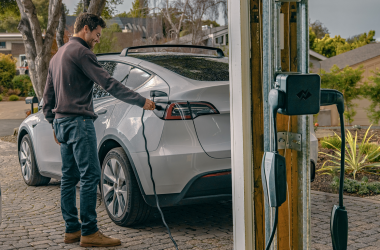
You’ll need an onboard charger. Most folks install a port where the gas filler cap was—a beautifully ironic touch. A Level 2 charger (240V) at home is pretty much essential for practical use.
The Process: What You’re Signing Up For
This isn’t a weekend project. It’s a deep, technical undertaking. Here’s a rough sequence.
- Strip & Assess: The donor car is completely stripped of its internal combustion engine (ICE), fuel system, exhaust, and often the radiator.
- Fabricate & Mount: Custom motor mounts and battery boxes are fabricated and installed. This is where metalworking skill is key.
- Electrical Integration: The high-voltage and low-voltage systems are painstakingly wired. This is the most daunting part for many. Safety is paramount—these are not voltages to trifle with.
- Software & Tuning: The controller needs to be programmed. Throttle response, regenerative braking strength, even simulated “engine” sounds can be tweaked.
- Testing & Refinement: Rigorous testing of systems, followed by alignment, balancing, and fine-tuning the driving experience.
Cost & Considerations: The Realistic Bottom Line
Let’s talk numbers. A professional, turn-key conversion can easily soar past $100,000. A skilled DIY approach using a kit might land between $25,000 and $60,000—on top of the donor car. The biggest variables are the battery pack and labor.
| Cost Factor | DIY (Kit-Based) Estimate | Professional Build Note |
| Donor Car | $5,000 – $20,000 | Condition is everything. |
| Conversion Kit (Motor, Controller) | $8,000 – $15,000 | Varies wildly by power. |
| Battery Pack | $10,000 – $30,000+ | The single largest expense. |
| Miscellaneous Parts & Fabrication | $3,000 – $10,000 | Adapters, cables, cooling, etc. |
| Potential Total (Excluding Labor) | $26,000 – $75,000+ | And then there’s your time… |
Other things to mull over? Classic car EV conversion regulations vary by state and country. Some places treat it as a new powertrain, requiring inspections. Insurance can be tricky—specialist insurers are getting better, but you need to be upfront. And finally, resale value is still a nascent market, though well-executed conversions are commanding serious premiums.
The Soul of the Machine: Preserving Character
This is the intangible bit, you know? The fear that you’ll turn a charismatic classic into a sterile appliance. The best conversions fight this. They keep the manual transmission for the shifter feel (even if it’s just a dummy gear), or program the regenerative braking to mimic engine braking. They preserve every stitch of the original interior. The goal isn’t to build a Tesla. It’s to build a better, more usable version of the car you fell in love with—one that whispers instead of shouts, but with a hidden, electric grin.
In the end, retrofitting a classic with an electric powertrain is a profound act of preservation. It’s acknowledging that the past’s beauty and the future’s technology don’t have to be at odds. They can coexist, in a garage near you, waiting for a quiet drive into a new era.