

Let’s be honest. The gig economy runs on wheels. From delivering meals to shuttling passengers, your car is more than just transportation—it’s your mobile office, your inventory shelf, your livelihood. But here’s the uncomfortable truth most platforms don’t shout about: your standard personal auto policy? It likely sees your side hustle as a giant, flashing “void” sign.
That gap between what you have and what you need is where specialized insurance for vehicle-based gigs comes in. It’s not just another expense; it’s the seatbelt for your financial future in this unpredictable ride. Let’s dive into why the usual coverage falls short and what real protection looks like.
Why Your Personal Policy Says “No” to the Gig Life
Think of insurance companies as meticulous bean-counters. They price your personal policy based on predictable, low-risk driving—commutes, grocery runs, weekend trips. The moment you turn on a delivery app or rideshare platform, you’ve entered a different risk category. More miles. More time in high-traffic areas. More interactions (like, you know, handing a burrito to a stranger on a dark curb).
If you cause an accident while actively engaged in a gig, and you only have personal insurance, you could be looking at a denied claim. Suddenly, you’re personally on the hook for vehicle repairs, medical bills, and legal fees. It’s a financial sinkhole. The platform’s insurance might kick in, but often only after your personal insurance denies the claim, and usually with high deductibles that can sting—sometimes over $2,500.
The Coverage Labyrinth: Periods 1, 2, and 3 Explained
This is where it gets, well, jargon-y. But stick with me. Most gig platforms split your work into “periods,” and your coverage changes with each. Knowing these is crucial.
| Period | What You’re Doing | Typical Platform Coverage |
| Period 1 | App is on, waiting for a gig/ride request. | Usually liability only (covers others), often minimal. Your car damage? Not covered. |
| Period 2 | Request accepted, en route to pick-up. | Liability improves, maybe some collision/comprehensive. Big deductibles apply. |
| Period 3 | Passenger in car or item in transit. | Most robust coverage, but still with that platform deductible. |
The scary gap is often Period 1. You’re “available,” burning gas and time, but with the least protection. A fender-bender here could leave you totally exposed.
Your Arsenal of Specialized Insurance Solutions
Okay, so what are your actual options? Thankfully, the insurance market has caught up—mostly. Here’s a breakdown of the main paths.
Rideshare Endorsements (The Most Common Fix)
This isn’t a separate policy. It’s an add-on—an endorsement—to your existing personal auto insurance. For maybe $15-$30 a month, it fills those coverage gaps (especially Period 1) that your personal policy excludes. It acts as primary coverage, meaning it pays first, often with a much lower deductible than the platform’s policy.
Best for: Drivers for Uber, Lyft, and other passenger transport apps. It’s a relatively simple and cost-effective bridge.
Commercial Hybrid Policies (For the Multi-Hustler)
What if you deliver food, drive people, and run local errands for TaskRabbit? A commercial hybrid policy, sometimes called a “business use” policy, is designed for mixed use. It covers you for personal driving and all your gig activities under one roof, with consistent limits and deductibles. No more mental gymnastics about which “period” you’re in.
Best for: The versatile gig worker using their vehicle for multiple platforms or more business-like activities. It offers seamless peace of mind.
Commercial Auto Insurance (The Heavy-Duty Option)
This is the full suit-and-tie of auto insurance. If your side hustle evolves into a full-time operation, you’re using a dedicated commercial vehicle, or you’re hauling specialized equipment, you’ll likely need a true commercial policy. It’s more expensive but built for constant, high-risk business use.
Best for: Full-time delivery drivers, couriers, or those using vans/trucks primarily for work.
Key Considerations Before You Choose
Don’t just click “buy.” Pause. Ask these questions—or better yet, ask an independent insurance agent who understands the gig economy.
- What exactly is covered? Does it include delivery of food, goods, or just people? What about “livery” exclusions?
- What about my stuff? If you’re delivering a $1,000 laptop or a customer’s groceries, is that covered under your policy? Often, it’s not unless you add specific cargo insurance.
- Gap vs. Primary: Is this policy filling the platform’s gaps, or is it primary coverage? Primary is almost always better.
- The Mileage Trap: Be upfront about your estimated business miles. Low-balling this can cause a claim denial later.
The Real Cost of Being Uninsured
We’ve talked premiums, but let’s talk risk. One major at-fault accident without proper coverage isn’t just a repair bill. It’s potential financial ruin from lawsuits. It’s the loss of your vehicle—and thus your income stream. It’s a massive hit to your future insurability. The monthly cost of a rideshare endorsement is less than a few delivery fees. It’s honestly one of the smartest business investments a gig driver can make.
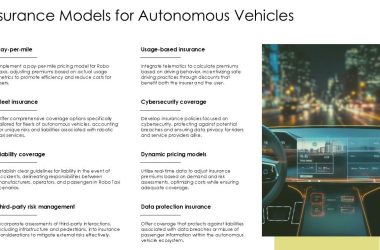
The landscape is still evolving, too. Some insurers are experimenting with pay-per-mile policies for gig workers, which could be a game-changer for those who drive less frequently.
In the end, navigating specialized insurance for your vehicle-based side hustle is about seeing your car for what it truly is: a business asset. And you protect business assets. You don’t cross your fingers and hope for the best. You get the right coverage, so the only surprises you encounter are a great tip or a beautiful sunset on the open road—not a devastating financial blow.