
Let’s be honest. The traditional car ownership model feels… heavy. The massive down payment, the nagging loan, the unpredictable maintenance costs—it’s a lot. Meanwhile, short-term rentals are great for a weekend trip but get wildly expensive, fast.
Enter the long-term car subscription. It’s not a lease, and it’s definitely not a rental. Think of it as the “streaming service” for cars. For a single monthly fee, you get the vehicle, insurance, maintenance, and often roadside assistance. It promises flexibility without the long-term commitment of a loan. But how does this model actually work under the hood? Let’s dive into the economics and logistics that make it tick—or sputter.
The Financial Engine: How Subscriptions Make (or Lose) Money
At first glance, that all-inclusive monthly price seems steep. You might pay $600 to $1,500+ per month. Compared to a car loan payment alone, it looks high. But here’s the deal: you’re comparing apples to, well, an entire fruit basket. The subscription bundles costs that are normally scattered and hidden.
The core economic model for subscription companies is utilization and lifetime value. They need to keep each car generating revenue for as many days as possible with minimal downtime. A car sitting idle is a massive cost sink. Their profit is squeezed from the gap between your total subscription fees and their total cost of ownership (acquisition, depreciation, insurance, servicing).
The Major Cost Drivers
| Cost Factor | Impact on Subscription Model |
| Vehicle Depreciation | The biggest beast. Companies buy cars upfront and must manage their resale value meticulously. They often cycle cars out of the fleet after 12-24 months to sell while value is still high. |
| Insurance Risk | Bundling insurance is a huge perk for users but a massive, variable cost for providers. A few bad claims in a month can wipe out the profit from several subscribers. |
| Maintenance & Unforeseen Repairs | Predictable servicing is budgeted for. But a failed transmission? That hurts. Scale helps here—bigger fleets can absorb these shocks better. |
| Fleet Logistics & Turnover | Getting a car from one subscriber to the next efficiently is a ballet of cleaning, inspection, and transport. Every day in transit is a day not earning. |
That said, the model banks on predictability. They know their average monthly costs per vehicle. Your subscription fee is calculated to cover that average, plus a margin, across hundreds or thousands of cars. It’s a volume game.
The Logistical Maze: It’s More Than Just an App
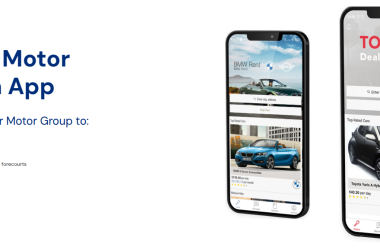
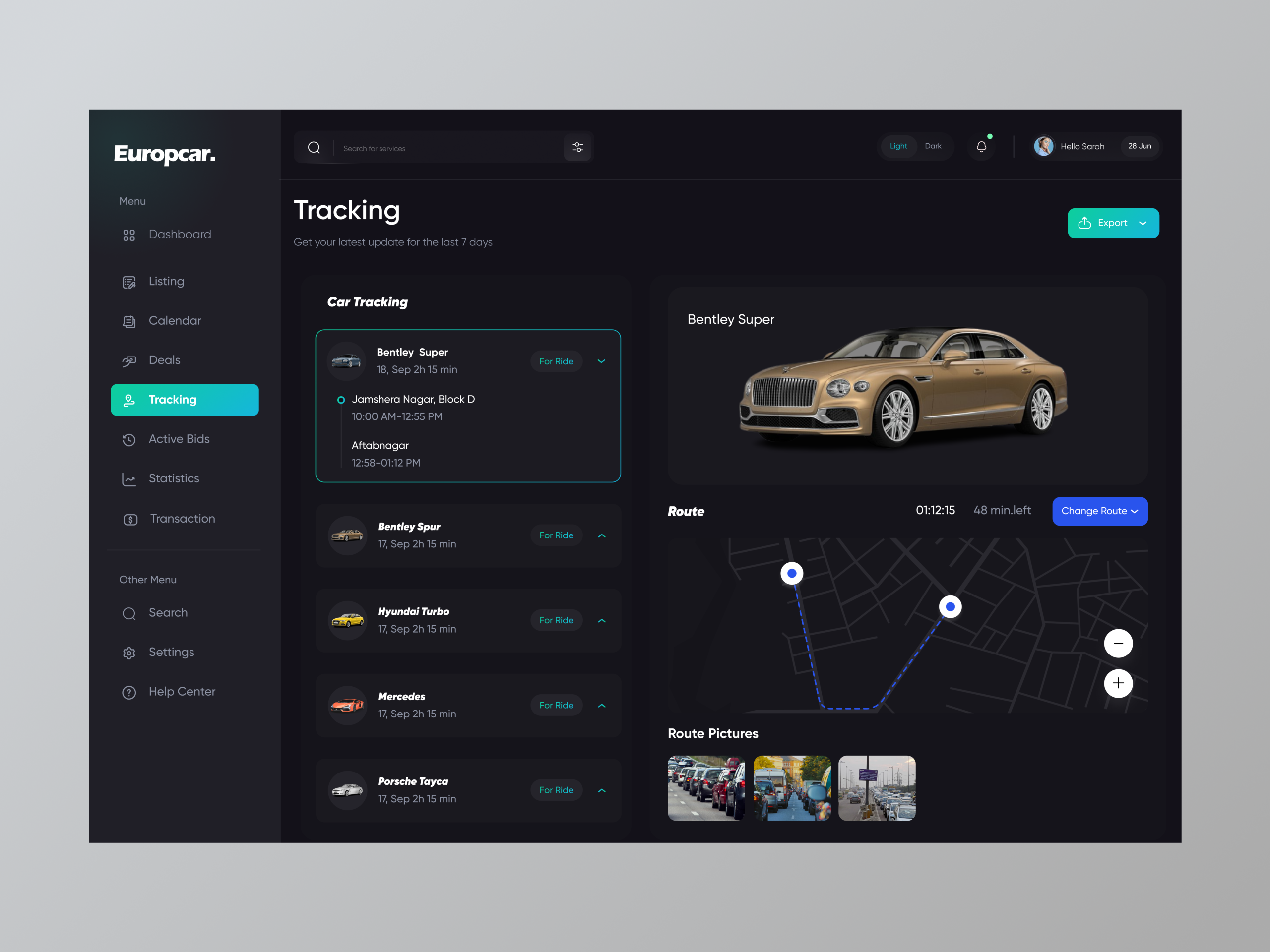
You tap an app, and a car arrives. Simple, right? Behind that sleek interface is a whirlwind of operational complexity. This is where many early startups stumbled—they built a great website but forgot about the gritty, real-world stuff.
Key Operational Pillars
- Fleet Sourcing & Management: Do they buy cars outright? Lease them from manufacturers? Or use a hybrid model? Each choice affects flexibility and cost. They need a diverse mix to suit different customer tastes—from efficient sedans to, you know, that weekend SUV.
- The “Last-Mile” Delivery Problem: Physically getting the car to the customer’s door is a huge challenge. It requires a network of drivers, valets, or partner shops. In dense cities, it’s easier. In suburban sprawl? The logistics costs can eat you alive.
- Service & Swaps: What happens when the “check engine” light comes on? A robust system for scheduling maintenance, providing loaner vehicles, or facilitating swaps is crucial. The customer experience hinges on this being seamless.
- Digital Infrastructure: This is the glue. The platform handles billing, driver verification, mileage tracking, digital agreements, and customer support. It needs to be bulletproof.
Honestly, the companies that survive are those that master logistics as much as marketing. It’s a low-margin, operationally intensive business. Think of it like running a hotel where every room is a car that moves around the city and needs constant cleaning and repair.
Who Wins? The Value Proposition for Different Drivers
So, given the economics, who actually benefits from a long-term car subscription? It’s not for everyone, but for specific niches, it’s a near-perfect fit.
- The Corporate Nomad: Someone on a 12-18 month assignment in a new city. They need a car now, without local credit history or the hassle of buying and selling.
- The Flexibility Seeker: Maybe you’re unsure if you need an SUV for winter or a convertible for summer. Subscriptions that allow swaps let you match your car to your life season. It’s the ultimate antidote to commitment-phobia.
- The Cost-Certainty Craver: People who dread surprise bills. Knowing your exact monthly transportation cost, with no nasty shocks, is a powerful form of financial comfort.
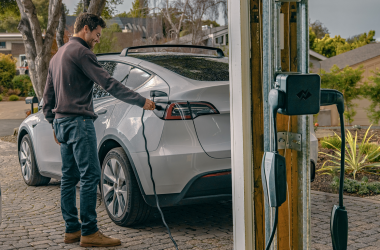
- The Tech-Early Adopter: Someone who wants to experience an EV but is worried about charging infrastructure or battery tech evolving. A 6-month EV subscription is a brilliant, low-risk trial.
On the flip side, if you drive a predictable, low amount of miles and keep a car for 10 years, the traditional ownership model will almost certainly be cheaper. But that’s not what subscriptions are selling. They’re selling convenience and fluidity.
The Road Ahead: Bumps, Curves, and Open Highways
The industry is at a fascinating crossroads. Early hype has cooled, replaced by a more pragmatic focus on sustainable unit economics. We’re seeing a shift.
Manufacturers themselves—like Volvo, Porsche, and Toyota—are launching their own programs. They have a natural advantage: they control the source of the cars and can absorb depreciation differently. They’re using subscriptions as a gateway to brand loyalty, a way to get you hooked on driving a new model every few years.
Meanwhile, third-party services are niching down. Focusing on specific vehicle types (luxury, EVs) or specific customer segments. The “one-size-fits-all” approach is fading.
The big question mark, honestly, is the used car market. Subscription companies rely on selling their depreciated assets for a good price. A soft used car market squeezes them from both ends—higher inventory costs and lower exit values. It’s a volatile variable in their equation.
Final Mile: Is This the Future?
Long-term car subscriptions won’t replace ownership. Not for everyone. But they have carved out a legitimate, persistent lane in the mobility ecosystem. They make the most sense in a world where flexibility is prized above permanence—a world that, well, looks a lot like ours today.
They reflect a broader shift from owning assets to accessing services. From CDs to Spotify. From DVDs to Netflix. And maybe, for a growing segment of people, from a title in the glovebox to an app on your phone.
The model’s success hinges on a delicate balance: making the math work for the provider while delivering undeniable peace of mind for the driver. It’s a complex machine. But when all the parts—economics, logistics, and customer desire—align, it runs surprisingly smooth.