
Here’s the deal: swapping a diesel engine for a hydrogen fuel cell isn’t like changing a lightbulb. It’s more like transplanting a heart while the patient keeps running. And the chassis — that heavy, stubborn skeleton underneath — doesn’t always play nice with its new hydrogen-powered organ.
Fleet operators across the country are asking a very practical question right now. Can you take an existing diesel truck chassis and bolt in a hydrogen fuel cell system? The short answer is yes… mostly. The longer answer involves brackets, thermal management, voltage quirks, and a whole lot of engineering patience.
Let’s dig into what actually matters when you’re trying to make these two very different technologies coexist.
Why Reuse a Diesel Chassis in the First Place?
Honestly, the chassis is expensive. Frames, axles, suspension, brakes — that’s tens of thousands of dollars of steel and sweat. If you’re retrofitting a fleet to hydrogen, throwing away a perfectly good rolling chassis feels wasteful. And in many cases, it’s unnecessary.
Hydrogen fuel cell electric vehicles (FCEVs) need the same basic things a diesel truck does: a sturdy frame, wheels, a place to put fuel, and a way to turn energy into motion. The difference is how that energy gets made and delivered.
So yes — reusing a diesel chassis can save money and reduce manufacturing waste. But compatibility isn’t automatic. It’s a puzzle with a few tricky pieces.
The Big Compatibility Questions
1. Weight Distribution and Payload
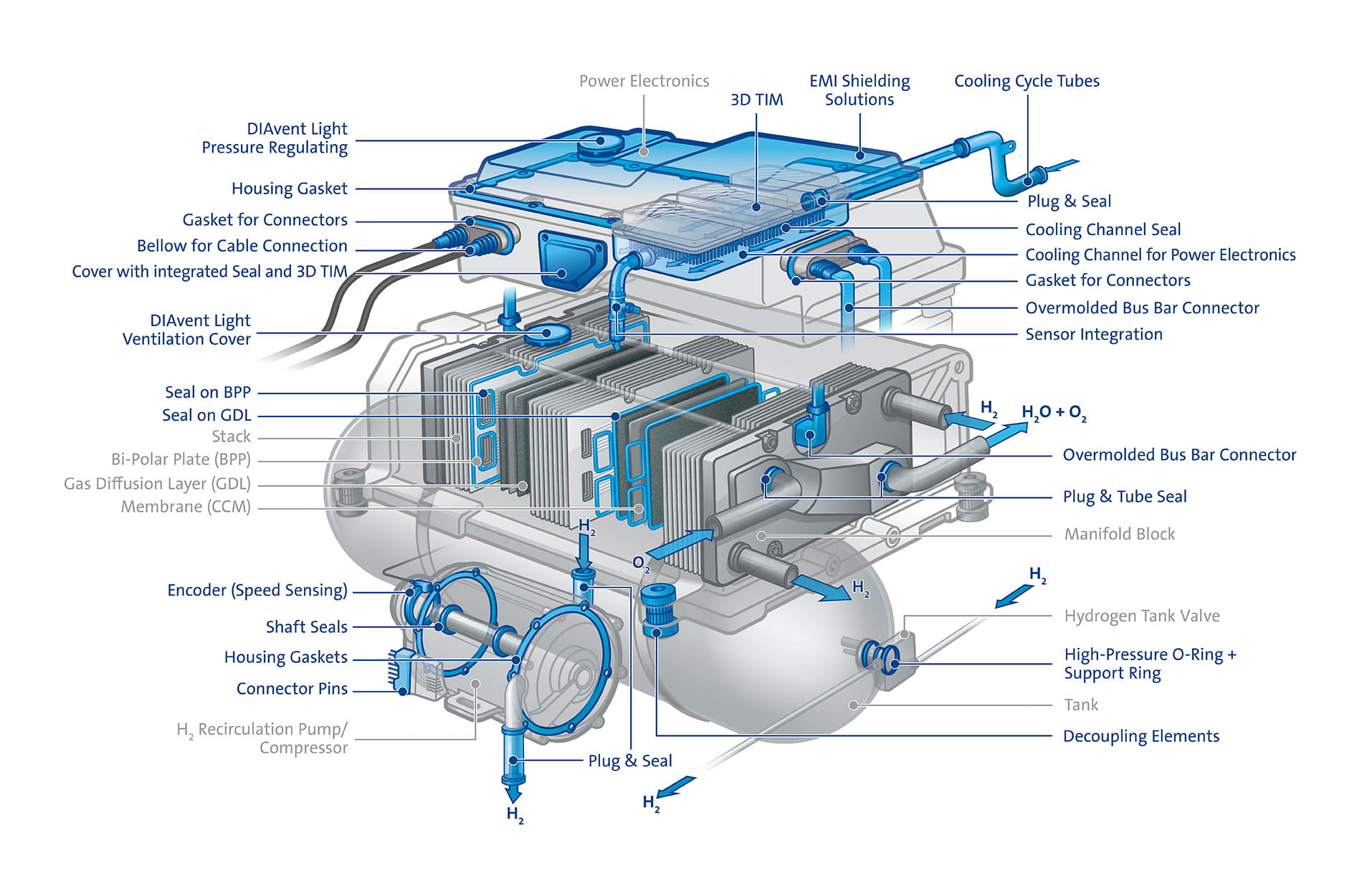
Diesel engines are heavy. Hydrogen fuel cell systems? Also heavy, but in a different way. You’ve got the fuel cell stack, the hydrogen tanks (usually carbon-fiber wrapped), the battery buffer, and the electric drivetrain. That weight doesn’t sit where the old engine did.
If you just drop a fuel cell where the diesel block used to be, you might throw off the front-to-rear balance. That affects braking, handling, and tire wear. Weight distribution is the first thing engineers check.
Hydrogen tanks often go on the roof or along the frame rails. That changes the center of gravity. On a box truck or bus, that might be fine. On a low-slung tractor, it can get dicey.
2. Space and Mounting Points
Diesel chassis have specific mounting holes, crossmembers, and clearance zones. Fuel cell components don’t always line up. You’ll need custom brackets, sometimes new crossmembers, and careful routing for cooling lines and high-voltage cables.
And let’s not forget thermal management. Fuel cells produce heat — lots of it — but at lower temperatures than a diesel engine. Radiators, fans, and coolant loops often need to be redesigned. The old diesel radiator? Probably too big, too heavy, and tuned for the wrong temperature range.
3. Electrical and Electronic Integration
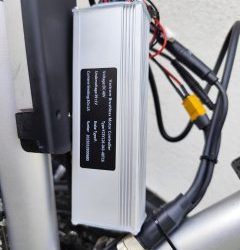
This is where things get spicy. A diesel chassis has a 12V or 24V electrical system. A hydrogen fuel cell system runs at hundreds of volts. You need DC-DC converters, new wiring harnesses, and a battery management system that talks to the fuel cell controller.
Then there’s the CAN bus — the communication network. Diesel ECMs speak a certain language. Fuel cell controllers speak another. You need a gateway or a custom integration layer. Without that, the truck won’t even start.
Component-by-Component Compatibility Table
| Diesel Chassis Component | Compatibility with Hydrogen Fuel Cell | Notes |
|---|---|---|
| Frame rails | High | Usually reusable; may need new holes or reinforcements |
| Axles & suspension | High | Check weight ratings; air suspension often preferred |
| Brakes | Medium | Regenerative braking may reduce wear; needs integration |
| Transmission | Low to Medium | Electric drivetrains often use direct drive or 2-speed |
| Fuel tank | None | Replace with hydrogen tanks (350–700 bar) |
| Exhaust system | None | Not needed; water vapor exits elsewhere |
| Cooling system | Low | Different temp range; usually needs full redesign |
| 12V/24V electrical | Medium | Requires DC-DC converter and new harnesses |
See? Some parts swap cleanly. Others… well, they fight you.
Hydrogen Tank Mounting: The Make-or-Break Detail
Hydrogen tanks are bulky. A typical 350-bar tank for a Class 8 truck might hold 5–10 kg of hydrogen. You need multiple tanks for decent range. Where do they go?
Common spots include:
- Behind the cab (like a sleeper replacement)
- Along the frame rails (where diesel tanks used to be)
- On the roof (for buses and box trucks)
Each location has trade-offs. Behind the cab is easy to protect but eats into cargo space. Frame rails are convenient but expose tanks to side impacts. Roof mounting raises the center of gravity.
And you can’t just drill new holes anywhere. Chassis frames have stress zones. Drilling in the wrong place can crack the frame. Always follow the OEM’s body builder guidelines.
Real-World Retrofit Trends
Companies like Hyzon, Nikola, and several smaller upfitters have been retrofitting diesel chassis for years. Some focus on refuse trucks. Others target drayage or regional haul. The lessons are consistent:
- Start with a chassis that has a high gross vehicle weight rating (GVWR). Hydrogen systems add weight. You need headroom.
- Choose a chassis with a flat frame rail. Easier to mount tanks and fuel cell modules.
- Avoid complex aftertreatment systems. You’re removing them anyway, but they clutter the frame.
- Plan for a bigger battery. Fuel cells respond slowly. A buffer battery handles acceleration and regenerative braking.
One fleet manager told me, “We spent more time on wiring and cooling than on the fuel cell itself.” That’s typical. The fuel cell is the glamorous part. The integration is the grind.
What About Safety and Certification?
You can’t just weld things and hope for the best. Hydrogen systems need leak detection, pressure relief devices, and crash sensors. The chassis may need reinforcement around tank mounts. And you’ll likely need to recertify the vehicle with a body builder or upfitter.
In the U.S., FMVSS and NFPA 2 set the rules. In Europe, it’s R134 and R10. Ignore them at your peril — and your insurance company’s delight.
The Bottom Line on Compatibility
Hydrogen fuel cell components can work with a diesel chassis. But “compatible” doesn’t mean “plug and play.” It means “engineerable with effort.”
The frame and axles? Usually fine. The cooling, electrical, and mounting? That’s where the real work lives. And the transmission? Often replaced entirely.
If you’re a fleet operator considering a retrofit, talk to an upfitter who has done it before. Ask for weight studies, thermal models, and wiring diagrams. Don’t assume your old diesel bones will accept a hydrogen heart without a fight.
That said, the trend is clear. More retrofits are hitting the road every quarter. The compatibility puzzle is getting solved — one bracket, one converter, one cooling loop at a time. And honestly? That’s how real progress usually looks. Not a lightning bolt. Just a lot of careful wrenching.