
Think about the last parking lot you walked through. It’s a sea of metal, sure, but more than that—it’s a canvas of human psychology. Silver, black, white, a flash of red, a defiant yellow. Ever wonder why we feel so strongly about the color of our cars? It’s not just an aesthetic preference. It’s a statement. A piece of our personal brand rolling down the highway for everyone to see.
Let’s dive in. Choosing a car color is one of the most public-facing decisions we make. Unlike the paint in our living room, it travels. It sits at the office, it picks up kids from school, it announces our arrival before we even open the door. That choice, whether deliberate or a gut feeling, is tangled up with identity, perception, and, honestly, a bit of primal signaling.
More Than a Paint Job: The Hidden Language of Color
Color psychology isn’t a perfect science—we all bring our own baggage—but some associations are surprisingly consistent across cultures. They tap into deep-seated emotions and social cues.
The Classics & What They (Often) Communicate
| Color | Common Perceptions & Associations | Branding Vibe |
| Black | Power, luxury, authority, sophistication. Can also feel intimidating or formal. | The Executive. The Power Player. Sleek, serious, and in command. |
| White/Silver/Gray | Neutrality, modernity, efficiency, practicality. Often seen as safe, clean, and tech-oriented. | The Pragmatist. The Futurist. Values cleanliness (literally and figuratively) and a minimalist aesthetic. |
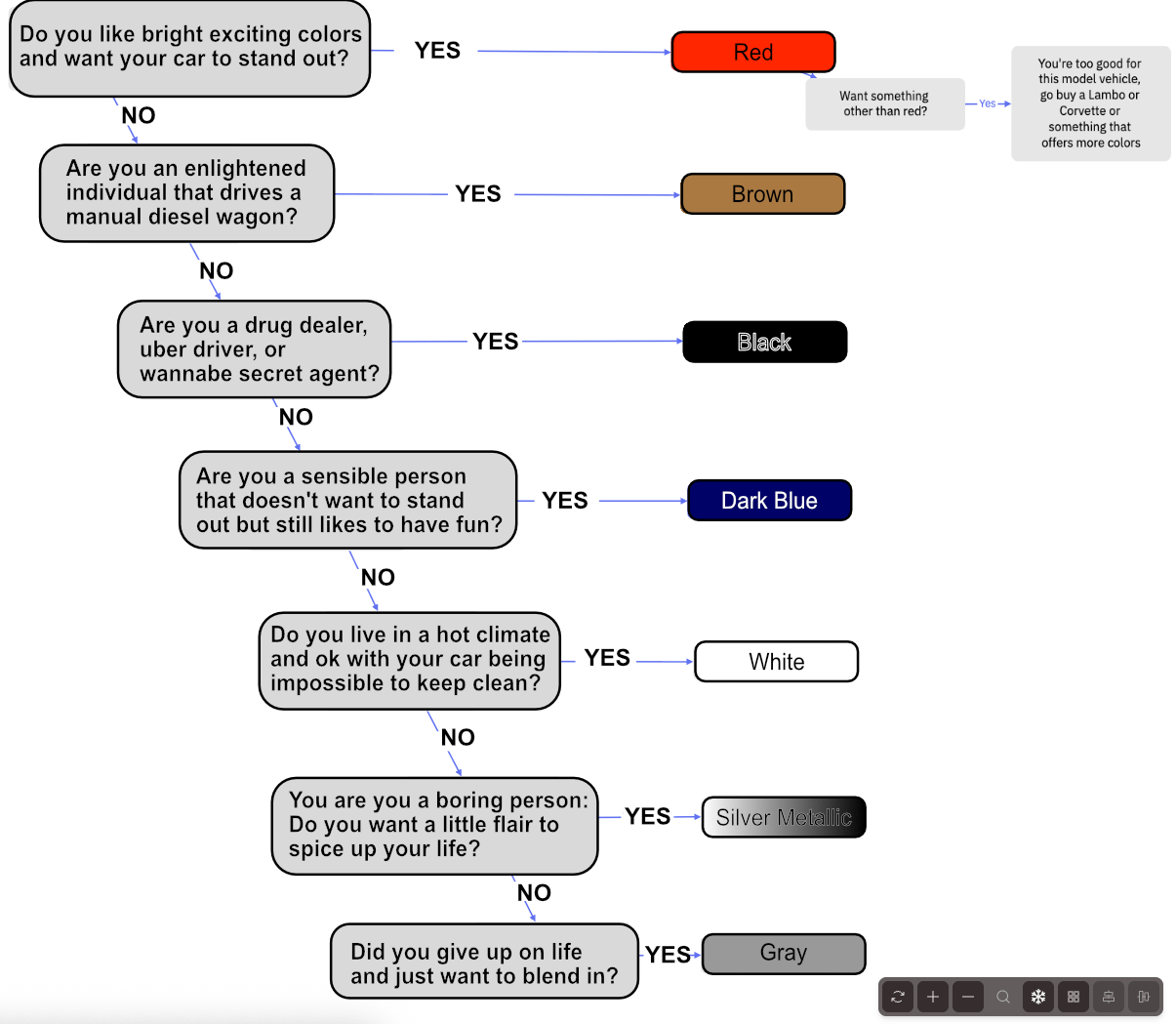
| Red | Energy, passion, speed, excitement. Draws immediate attention—can signal confidence or aggression. | The Extrovert. The Thrill-Seeker. Bold, dynamic, and wants to be noticed. |
| Blue | Trust, stability, calm, intelligence. Deeper blues lean toward reliability, brighter blues feel more approachable. | The Dependable. The Calm Professional. Communicates trustworthiness and steady competence. |
| Green | Eco-consciousness, harmony, growth. Traditionally earthy, now strongly tied to hybrid and electric vehicle identity. | The Naturalist. The Innovator. Signals environmental values or a connection to stability and renewal. |
| Yellow/Orange | Optimism, creativity, fun, uniqueness. High visibility and a clear departure from the norm. | The Individualist. The Optimist. Playful, confident, and not afraid to stand out from the crowd. |
Here’s the deal, though: context is everything. A matte black Jeep Wrangler screams something different than a glossy black Mercedes S-Class. The vehicle type amplifies the color’s message. It’s a synergy—or sometimes, a deliberate contrast.
Your Car as a Mobile Billboard for “You”
This is where it gets personal. Personal branding is essentially the story you tell the world about who you are and what you value. And in a world where first impressions are often fleeting, your car color is a chapter of that story told in a single glance.
Consciously or not, we use possessions to reinforce our self-image. You know, the concept of “enclothed cognition”—how what we wear affects how we feel and act. Well, call it “encarred cognition.” Driving a color that aligns with how you see yourself—or how you want to be seen—can actually bolster that identity. It’s a feedback loop of steel and paint.
The Alignment (and Sometimes, the Mismatch)
Imagine a freelance graphic designer. They might choose a vibrant orange or a teal blue. It screams creativity, energy, a break from corporate monotony. It attracts clients who want that vibe. Conversely, a consultant who needs to project stability and trust might gravitate toward navy blue or a conservative gray. It’s non-distracting, professional, reliable.
But what about the mismatch? The accountant with a fiery red sports car? That’s fascinating. It hints at a hidden dimension of their personality—the meticulous professional by day, the passionate enthusiast by weekend. The car color becomes an outlet for a part of the self that the day job doesn’t accommodate. It’s a form of… well, automotive authenticity.
The Practical Noise in the Signal
We can’t ignore the real-world stuff that messes with our perfect psychological model. These are the pain points that often override our deepest color desires:
- Resale Value: The old adage holds. Neutral colors (white, black, silver, gray) typically have broader appeal and can be easier to sell. Choosing a bold color is a commitment that might narrow your future buyer pool.
- Cost & Availability: Some premium paints (tri-coats, matte finishes, special chromes) cost extra. And if the dealer has a white model on the lot ready to go, the allure of immediate gratification can beat out the dream of a custom-ordered green.
- Maintenance: Black shows every single swirl mark and speck of dust. White hides scratches better but shows dirt and road grime. Dark blues can look clean even when they’re not. Practicality wins a lot of battles.
- Trends & Herd Mentality: Look around. White and gray dominate roads globally. There’s safety in numbers. Choosing a common color is a way to blend in, to not make your car a “statement.” That, in itself, is a statement about prioritizing practicality or anonymity.
Electric Hues and the Future of Color Psychology
The rise of electric vehicles is shaking things up. EVs are inherently seen as innovative, so their color palettes often reflect that. We’re seeing more:
- Earthy, organic tones (copper, moss green, matte sandstone) that connect the tech to nature.
- Bright, almost synthetic cyans and oranges that scream “future.”
- A continuation of minimalist whites and grays, emphasizing the “clean tech” aspect.
The choice of an EV color is becoming a hyper-charged brand signal. It says, “I’m not just eco-conscious; I’m tech-conscious.” It’s a two-layer message.
So, what’s the takeaway? Next time you’re car shopping—or even just noticing cars on the street—pause for a second. Look past the make and model. See the color. That choice is a tiny, rolling autobiography. It’s a blend of deep psychological impulses, calculated personal branding, and the messy compromises of real life.
Maybe your car color is the “you” you want the world to see. Or maybe it’s the “you” you are on the inside when no one’s watching. Either way, it’s speaking. The question is, what do you want it to say?