
Think about your car for a second. It’s not just metal and rubber anymore. Honestly, it’s a rolling network of sensors, software, and connectivity. A smartphone with airbags, if you will. And just like your phone or laptop, it’s a target. The cybersecurity risks of connected cars aren’t science fiction—they’re a present-day reality we need to wrap our heads around.
Let’s dive in. We’ll explore how these vulnerabilities creep in, what’s actually at stake (spoiler: it’s more than your playlist), and, crucially, what you and the industry can do to stay safer on the digital road.
How Did We Get Here? The Attack Surface of a Modern Car
First off, the “attack surface.” It’s a techie term, but the concept is simple: it’s all the different points where a hacker could potentially break in. For connected cars, this surface is huge. We’re talking about dozens of electronic control units (ECUs)—little computers that control everything from the engine and brakes to the infotainment system.
These systems talk to each other over the car’s internal network. And here’s the deal: they’re also connected to the outside world through multiple doors:
- Infotainment Systems: Your Bluetooth and USB ports. A maliciously crafted file on a phone or USB stick could be a gateway.
- Cellular Connections (Telematics): The always-on link for navigation, emergency calls, and remote features. A direct line to the car’s core network.
- Wi-Fi and Vehicle-to-Everything (V2X): For updates and communication with other cars or infrastructure. More doors, more potential locks to pick.
- Key Fobs & Passive Entry Systems: These use radio signals that can be intercepted, amplified, or “relayed” to steal access—a so-called relay attack.
What’s Actually at Risk? It’s More Than Just Data
When people hear “car hacking,” they often think of a lone teenager changing radio stations remotely. The reality is far more serious. The risks fall into a few scary buckets:
1. Safety and Physical Control
This is the nightmare scenario. Researchers have demonstrated—in controlled environments—the ability to disable brakes, mess with steering, or shut down engines while driving. The path often starts through a seemingly minor system, like the entertainment unit, and then pivots to critical driving functions. It’s a stark reminder that in a connected vehicle, the line between digital and physical safety is razor-thin.
2. Privacy and Data Theft
Your car is a data vacuum. It collects location history, driving habits (speed, braking patterns), biometric data from in-car cameras, contact lists, and more. A breach here isn’t just about someone knowing you drive to the same coffee shop every Tuesday. This data can be used for stalking, blackmail, or sold to data brokers to build an incredibly intrusive profile of your life.
3. Financial Theft and Ransom
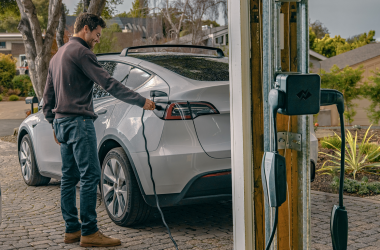
Keyless entry relay attacks are already a common method for physical theft. But imagine ransomware that locks you out of your own car until you pay a Bitcoin fee. Or malware that intercepts payment information at electric vehicle charging stations. The monetization avenues for criminals are, unfortunately, expanding.
Who’s Responsible? The Shared Burden of Automotive Cybersecurity
This isn’t a problem you can solve by just choosing a strong password. Mitigating connected car security risks is a shared responsibility. It’s a three-legged stool.
| Manufacturers (OEMs) | Regulators | Owners/Drivers |
| Building security in from the design phase (“security by design”). | Setting mandatory cybersecurity standards and frameworks. | Practicing good digital hygiene and staying informed. |
| Providing regular, secure over-the-air (OTA) software updates. | Ensuring transparency about vulnerabilities and breaches. | Installing those software updates promptly. |
| Implementing strong network segmentation inside the vehicle. | Fostering collaboration across the global industry. | Being cautious with aftermarket devices and connections. |
Practical Steps for a More Secure Ride
Okay, so the landscape seems complex. But you’re not powerless. Here are concrete actions you can take to mitigate your personal risk.
1. Treat Software Updates Like an Oil Change
Those notifications for over-the-air updates? They’re not just adding new emoji to your dashboard. They often contain critical security patches. Installing them immediately is the single most effective thing you can do. Think of it as a digital oil change for your car’s health.
2. Be Smart About Connectivity
Disable Bluetooth and Wi-Fi when you’re not actively using them. It reduces your attack surface. Be wary of public Wi-Fi networks for your car’s hotspot. And those cheap, no-name OBD-II dongles or USB devices? They can be a Trojan horse—stick to trusted brands.
3. Secure Your Key Fob
To thwart relay attacks, store your key fob in a Faraday pouch or box at home (especially overnight). It blocks the radio signals. Or, you know, just put it in a metal tin. It’s a low-tech fix for a high-tech problem.
4. Mind Your Data and Apps
Review the privacy settings in your car’s companion app and infotainment system. Limit data sharing where you can. Only download official apps from your manufacturer, and check their permissions.
5. Ask Questions Before You Buy
When shopping for a new or used connected car, make cybersecurity part of your checklist. Ask: “What is your policy on over-the-air security updates?” or “How long do you support vehicles with security patches?” A manufacturer’s answer—or lack thereof—tells you a lot.
The Road Ahead: A Culture of Security
The truth is, there’s no such thing as perfect security. Just like we learned to lock our doors and check our blind spots, we now need to develop new habits for the digital age of driving. The industry is moving, albeit sometimes slowly, towards more resilient architectures and better practices.
But the final layer of security? It’s awareness. It’s understanding that the convenience of a connected car comes with a responsibility. We’re all passengers on this journey, and staying safe means keeping our eyes on both the road and the code that paves it.