
Let’s be honest. For many of us, getting in the car and driving is an afterthought—a mundane part of daily life. But for individuals with disabilities, that simple act can feel like a distant dream, locked behind a wall of physical barriers. Here’s the deal, though: that wall isn’t impenetrable. Not even close.
Thanks to incredible advancements in specialized vehicle modifications and adaptive driving gear, the road is opening up. It’s about more than just getting from A to B. It’s about independence, spontaneity, and reclaiming a piece of everyday freedom. So, let’s dive into the world of adaptive technology, where a van isn’t just a van, and a steering wheel might not be a wheel at all.
The Foundation: Common Types of Vehicle Modifications
Think of these as the architectural changes—the structural shifts that make a vehicle fundamentally accessible. They range from simple to, well, seriously complex.
Entry and Seating Solutions
First things first: you’ve got to get in. For wheelchair users, this is often the primary hurdle.
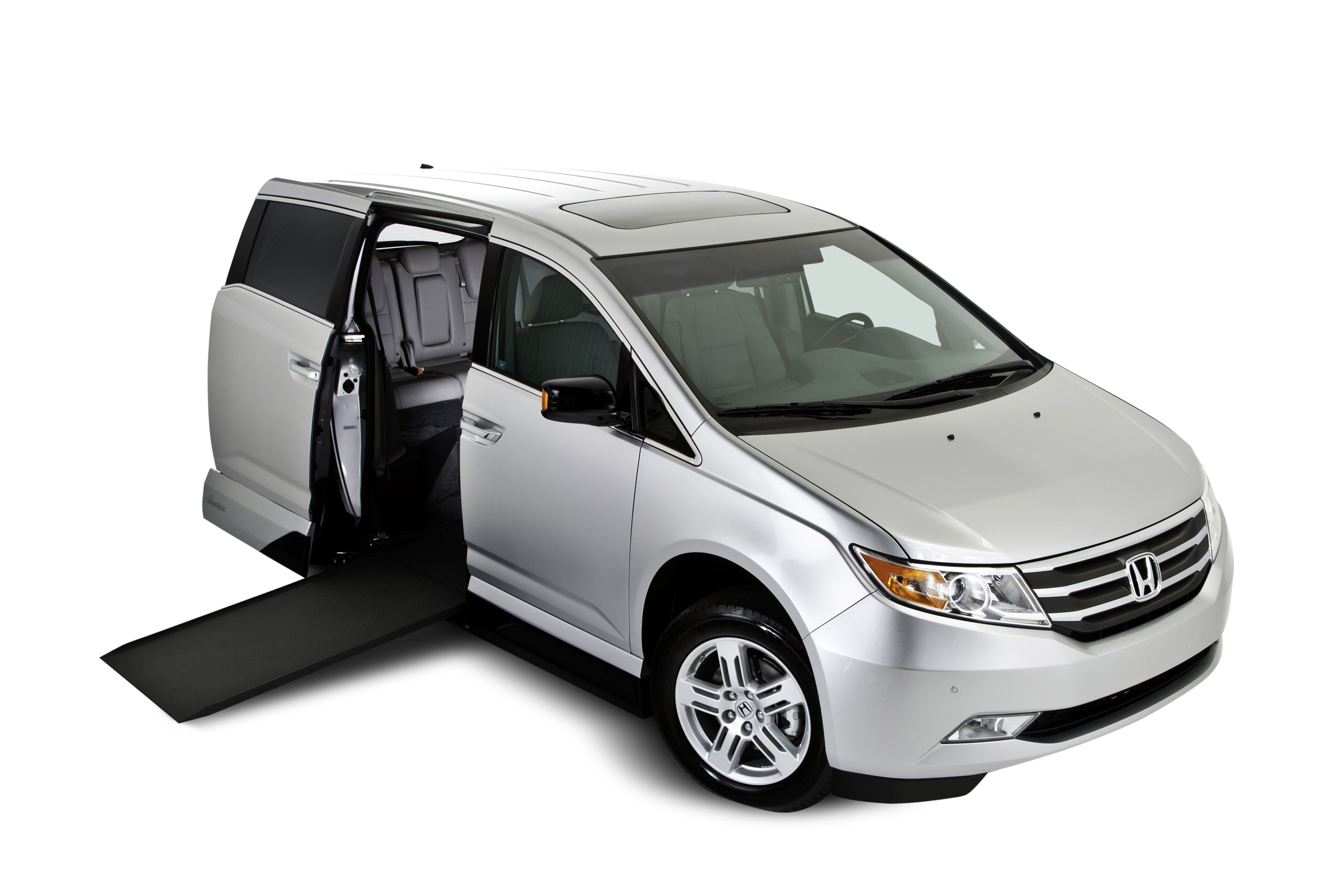
- Ramps & Lifts: Side-entry or rear-entry ramps are common for minivans. Power lifts are a robust option for full-size vans, smoothly elevating the user and chair inside. The choice often boils down to vehicle type, budget, and the user’s specific mobility needs.
- Lowered Floors & Kneeling Systems: Some modifications involve actually dropping the vehicle’s floor to create standing room inside. Others use “kneeling” air suspension to lower the entire vehicle closer to the curb for easier transfer.
- Swivel Seats & Transfer Boards: For those who transfer from a chair to the car seat, powered swivel seats can rotate out and lower to bridge the gap. A simple transfer board can be a low-tech, effective partner in this dance.
Primary Control Modifications
This is where it gets fascinating. If you can’t use your legs to drive, the entire control system gets reimagined.
- Hand Controls: The most well-known modification. These systems allow acceleration and braking to be managed entirely by hand. A lever you push for brake, pull for gas—it becomes second nature surprisingly fast.
- Steering Devices: Knobs, tri-pins, or amputee rings attach to the steering wheel for one-handed control. Need even more help? Zero-effort steering and reduced effort steering systems use electronic assists to make turning the wheel a light touch affair.
- Electronic Driving Systems (Drive-by-Wire): This is the cutting edge. We’re talking joystick driving, similar to operating a power wheelchair. Or sip-and-puff systems, where you control acceleration, braking, and steering with gentle breaths into a tube. It’s not science fiction; it’s available technology that’s genuinely life-changing.
The Essential Gear: Tools for Safety and Convenience
Beyond the big modifications, there’s a whole ecosystem of gear—the unsung heroes of adaptive driving. These items solve specific, nagging problems.
| Gear Type | What It Does | Key Benefit |
| Paratransit Lifts | Small, portable lifts for transferring into passenger seats. | Enables use of standard cars, not just modified vans. |
| Hand-held Gas/Brake Pedals | A secondary pedal set operated by a passenger. | Allows a licensed driver to coach a new adaptive driver safely. |
| Key Turners & Door Handle Extensions | Leverage tools for limited hand strength or dexterity. | Restores independence for simple, yet crucial, tasks. |
| Wheelchair Securement Systems | Automatic or manual tie-downs (like the EZ Lock docking system). | Ensures safety and stability; some eliminate bulky straps. |
| Voice-Activated Tech & Smart Home Integration | “Hey Google, start my car and open the garage.” | Reduces physical demand before you even roll out. |
Navigating the Process: It’s a Journey, Not a Quick Fix
Okay, so the technology exists. But how do you, you know, actually get it? The path to an adapted vehicle can feel winding. A certified Adaptive Driving Specialist or Occupational Therapist is your essential first co-pilot. They conduct a clinical assessment—figuring out your physical capabilities, your goals, and what tech might be a match.
Then comes the funding puzzle. Insurance (sometimes), vocational rehab programs, and veterans’ benefits can cover portions. Grants from non-profits exist but, honestly, there’s often out-of-pocket cost. It’s a significant investment, which is why working with a reputable, National Mobility Equipment Dealers Association (NMEDA) certified dealer is non-negotiable. They ensure quality, safety, and proper installation.
The Human Element: Beyond the Hardware
We’ve talked nuts and bolts, but the real story is softer. It’s in the sigh of relief from a parent who can now transport their adult child without straining their back. It’s in the grin of someone taking a spontaneous drive for the first time in years. The right modification doesn’t just change your vehicle; it changes your horizon.
Current trends are pushing this even further. We’re seeing more integration with standard automotive tech—like using a vehicle’s built-in driver-assist features (lane-keeping, adaptive cruise) in tandem with hand controls. The rise of electric vehicles presents new challenges and opportunities for quieter, smoother operation and different packaging of components.
The takeaway? Adaptive driving isn’t a one-size-fits-all solution. It’s a deeply personal toolkit, assembled piece by piece. It asks, “What do you need to drive?” and then engineers an answer. That answer might be a complex drive-by-wire system, or it might be a simple spinner knob. Both are equally valid keys to the same door.
And that door, once open, leads everywhere.