
For decades, the American dream of car ownership followed a pretty simple script. You saved up, you haggled at a dealership, you signed a mountain of paperwork for a loan or lease, and then you drove off the lot. That car was yours—or at least, it would be in five or six years. But honestly? That script is getting a serious rewrite.
Enter the car subscription. Think of it like Netflix, but for your driveway. Instead of a long-term financial commitment, you pay a single monthly fee that bundles the car, insurance, maintenance, and often even roadside assistance into one neat package. You can swap models, pause the service, or walk away with a flexibility that traditional models just can’t match. Let’s dive into why this model is shifting from a niche experiment to a mainstream contender.
Why Now? The Perfect Storm of Consumer Shifts
This isn’t happening in a vacuum. The rise of subscription car services is a direct response to, well, how we live now. For one, the total cost of ownership for a vehicle has skyrocketed. Between insurance spikes, unpredictable maintenance, and volatile gas prices, that monthly car payment is just the tip of the financial iceberg.
Then there’s the generational shift. Younger consumers, especially Millennials and Gen Z, value access over ownership. They’ve grown up with Spotify and Uber. The idea of being tied to a single asset—a depreciating one at that—for years feels less like freedom and more like a burden. They crave flexibility. And let’s be real, the traditional car-buying process? It’s often stressful, opaque, and time-consuming. Subscription models promise to cut through that noise.
How It Actually Works: The Nitty-Gritty
Okay, so here’s the deal. You go to a provider’s app or website. Companies range from automakers themselves (like Volvo’s “Care by Volvo” or Ford’s “Ford Drive”) to third-party specialists (like Clutch Technologies or FINN). You browse available vehicles—often a mix of SUVs, sedans, and electric vehicles.
You pick one, choose your subscription term (usually from one month to two years), and pass a soft credit check. The car gets delivered to your door. Your monthly fee typically covers:
- Vehicle Use: The core of the deal.
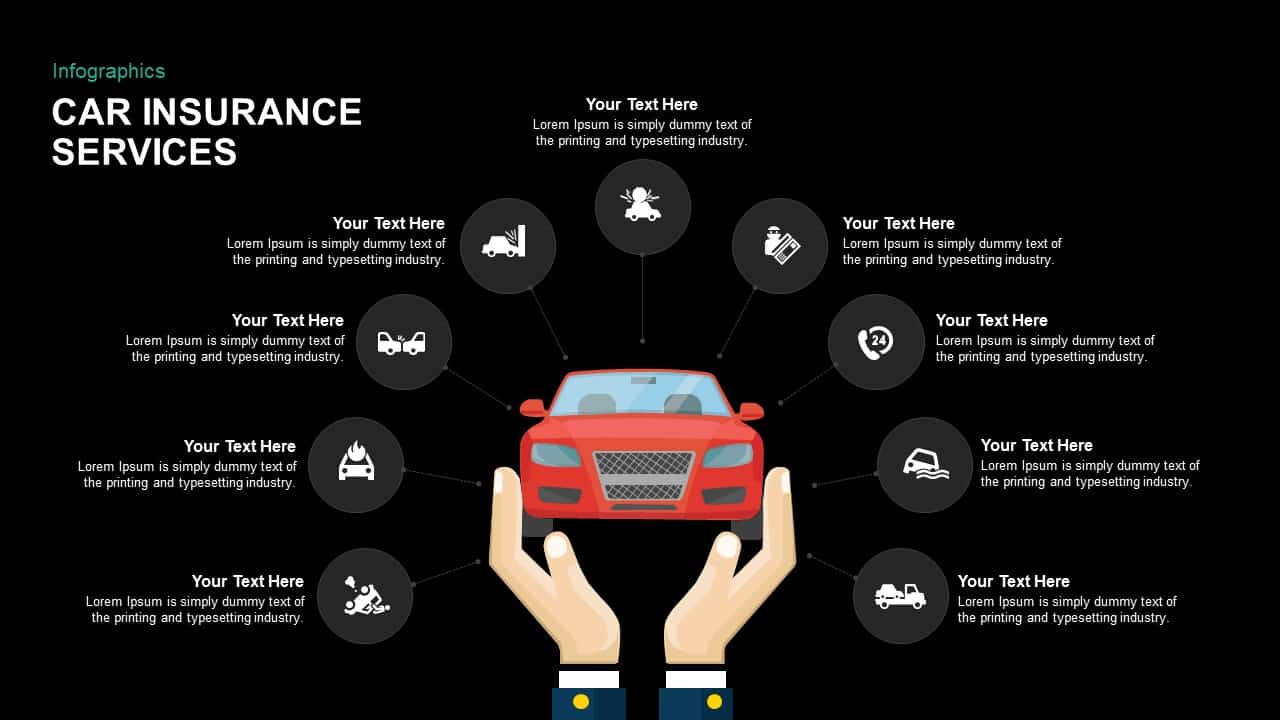
- Comprehensive Insurance: A huge perk, removing the shopping hassle.
- Routine Maintenance & Repairs: Oil changes, tire rotations, you name it.
- Roadside Assistance: Standard.
- In some plans, even registration and depreciation costs.
The key differentiator from a lease? Flexibility. Most plans allow you to swap to a different model with some notice. Going on a ski trip? Swap your sedan for an SUV. Want to try an electric vehicle for a few months? You can. It’s this try-before-you-commit, lifestyle-matching feature that’s so compelling.
The Trade-Offs: Freedom vs. Cost
It sounds almost too good, right? Well, like anything, it’s not for everyone. The biggest hurdle is the price tag. That convenience and flexibility comes at a premium. Your monthly subscription fee will almost always be higher than a standard loan payment for the same car.
Think of it this way: you’re paying for predictability. You’re trading the potential for lower long-term cost (once the loan is paid off) for a known, all-inclusive monthly expense. For someone who hates financial surprises or who budgets meticulously, that trade-off can be worth it.
Other limitations? Mileage caps still exist, similar to leases. And while you can swap cars, it’s not an unlimited, daily thing—there are usually rules and fees involved. It’s flexibility within a framework.
Who’s It Really For? The Ideal Subscriber
So who’s jumping on this trend? A few key profiles emerge:
- The Urban Professional: Lives in a city, might not need a car every single day, but wants a nice vehicle for weekends or specific needs. They value the lack of long-term commitment.
- The Tech-Early Adopter: Wants to be the first to drive the latest EV model or tech-laden SUV without being stuck with it for years as it rapidly evolves.
- The Life-Changer: Someone in a period of transition. Maybe they’ve just moved, are testing a new job with a different commute, or are waiting for a specific car model to be delivered. The subscription acts as a perfect bridge.
- The Simplifier: Honestly, just someone who despises the administrative headache of car ownership. They’re willing to pay a bit more to make it all someone else’s problem.
The Road Ahead: Challenges and Evolution
The model isn’t without its speed bumps. For providers, managing a fleet for subscriptions is complex and capital-intensive. Vehicle sourcing, depreciation risk, and operational logistics are huge challenges. We’ve already seen some early players pull back or shut down after burning through cash.
But the trend is still accelerating. The push toward electric vehicles is a massive tailwind. Consumers are hesitant to buy an EV outright due to range anxiety and fast-moving technology. Subscriptions let them dip a toe in the electric water without the plunge.
Here’s a quick look at the landscape:
| Model Type | Key Characteristic | Best For… |
| Traditional Ownership | Full equity, long-term cost efficiency | Those who drive a lot, keep cars long-term |
| Leasing | Lower monthly payments, fixed term | Those who want a new car every 2-3 years |
| Subscription | All-inclusive, maximum flexibility | Those valuing convenience & low-commitment |
That said, the future likely isn’t one model “winning.” It’s about choice. The automotive ecosystem is fragmenting. You’ll choose the financial model that fits your life phase, just like you choose your streaming services.
A Final Thought: Redefining the Relationship with the Car
In the end, the rise of subscription-based car ownership is about more than just a new way to pay. It’s a fundamental shift in our relationship with the automobile. The car is becoming less of a prized possession we own, and more of a utility we access—a service tailored to our immediate needs.
It asks a quiet but profound question: are we moving toward a future where the open road is something you stream, not something you buy? The answer, for a growing number of people, is already yes.