

Let’s be real—driving a cleaner car feels good. You’re reducing emissions, saving on gas, and maybe even enjoying that near-silent hum of an electric motor. But here’s the thing nobody tells you at the dealership: your insurance might actually get cheaper, too. Or… it might not. It depends. And that’s exactly what we’re diving into today—the messy, sometimes surprising relationship between sustainable driving and insurance.
Why Insurers Care About Your Carbon Footprint
Insurance companies are all about risk. They love data. And lately, they’ve noticed something: drivers of EVs and hybrids tend to file fewer claims. Not zero claims—just fewer. Why? Well, it’s a mix of things. EVs often come with advanced safety tech, like automatic braking and lane-keeping. Hybrids are generally driven by folks who are… let’s say, more cautious. And statistically, that means fewer accidents.
But here’s the kicker—repair costs for EVs can be higher. That fancy battery pack? It’s not cheap to replace. So insurers are walking a tightrope. They want to reward green driving, but they also have to cover those expensive repairs. That’s where green discounts come in.
The “Green Discount” Myth vs. Reality
You’ve probably seen ads: “Save up to 10% with our green car discount!” Sounds great, right? But here’s the truth—those discounts are often small. Like, 5% to 10% on your premium. And they’re not universal. Some insurers offer them, some don’t. And even when they do, the discount might only apply to certain models.
Honestly, the bigger savings come from other factors. Low mileage, good driving record, bundling policies. But hey, a discount is a discount. And if you’re already driving a Prius or a Tesla, every bit helps.
EVs vs. Hybrids: Which One Saves You More on Insurance?
This is where things get interesting. Let’s break it down—not with a boring lecture, but with a quick comparison. Because, you know, tables are your friend.
| Factor | EV (Electric Vehicle) | Hybrid |
|---|---|---|
| Average premium | Slightly higher (due to repair costs) | Often lower (parts are more common) |
| Green discounts | Common, but vary by insurer | Less common, but available |
| Safety features | Top-tier (often standard) | Good, but model-dependent |
| Repair costs | High (battery, specialized labor) | Moderate (shared with gas cars) |
| Mileage factor | Low mileage = lower premium | Low mileage = lower premium |
See the pattern? EVs might cost more to insure upfront, but if you drive less—like, under 10,000 miles a year—you could save big. Hybrids are the middle ground: cheaper to repair, but you miss out on some of the flashy green discounts.
Pay-Per-Mile Insurance: A Game Changer for Green Drivers
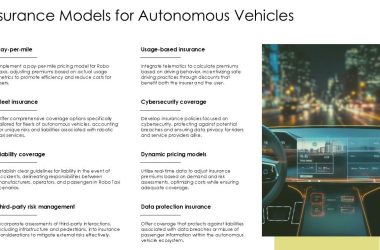
Okay, here’s a trend that’s picking up steam—usage-based insurance. You know, where they plug a little device into your car or use your phone’s GPS to track how much you drive. For EV and hybrid owners, this is gold. Why? Because you’re probably driving less. Charging infrastructure is still spotty in some areas, so you plan trips carefully. That means fewer miles, lower risk, and a lower premium.
I’ve seen people save 20% to 30% just by switching to pay-per-mile. Sure, it feels a little Big Brother-ish. But honestly, if it saves you a few hundred bucks a year? Worth it.
What About Telematics for Hybrids?
Same deal. Hybrid drivers tend to be more fuel-conscious, which often translates to smoother driving. No sudden accelerations, no hard braking. And guess what? Telematics programs love that. They reward you for being a “low-risk” driver. So if you’re already driving a hybrid like a grandpa (no offense), you might as well get paid for it.
Hidden Pain Points: Charging, Battery, and Theft
Let’s not pretend everything is sunshine and rainbows. There are some real pain points with insuring sustainable cars. First up: charging equipment. If you install a Level 2 charger at home, your insurance might not cover it unless you add a rider. Same goes for public charging stations—if someone damages your car while it’s plugged in, you’re on the hook.
And then there’s the battery. EV batteries can cost $5,000 to $15,000 to replace. Some insurers offer specific battery coverage, but not all. You’ve gotta read the fine print. Also—theft. Not of the car, but of the charging cable. Yep, it’s a thing. Thieves love copper. So maybe lock that cable up.
How to Find Green Discounts (Without Getting Ripped Off)
Alright, let’s get practical. You want to save money. You want to drive green. Here’s how to do both without losing your mind.
- Shop around—not just once, but every year. Insurers change their discounts constantly. One year, Geico might offer a 5% EV discount. Next year, it’s gone. So compare.
- Ask about low-mileage discounts. Even if you don’t qualify for a green discount, low mileage can slash your premium. Most insurers offer this if you drive under 7,500 miles a year.
- Bundle with home insurance. It’s boring advice, but it works. You can save 15% to 25% just by bundling. Use that savings to offset higher repair costs.
- Check for manufacturer partnerships. Some car brands—like Tesla, Ford, and Hyundai—have partnerships with insurers. You might get a discount just for buying the car.
And here’s a pro tip: don’t assume your current insurer has the best deal. I’ve seen people stay with the same company for years, only to find out a competitor offers 30% lower rates for EVs. It’s worth the 20 minutes to compare.
The Future of Green Insurance (It’s Weirder Than You Think)
We’re already seeing insurers experiment with “carbon offset” policies. You pay a little extra, and they plant trees or fund renewable energy projects. Sounds gimmicky? Maybe. But it’s a sign of where things are heading. Some companies are even offering discounts if you install solar panels at home. Because, you know, the whole “green lifestyle” thing is interconnected.
There’s also talk of blockchain-based insurance for EV charging networks. Honestly, I don’t fully understand it. But the idea is that every time you charge, your insurance adjusts in real-time. Wild, right?
Will Insurance Eventually Be Free for Green Cars?
No. Let’s not get carried away. But it might become cheaper than insuring a gas guzzler. As repair costs drop (battery tech is improving fast) and more data comes in, insurers will likely offer better rates. The key is to stay informed and keep pushing for transparency.
Final Thought (No Fluff)
Sustainable driving isn’t just about the car you drive—it’s about the choices you make around it. Insurance is one of those choices. And while green discounts aren’t a magic bullet, they’re a step in the right direction. So do your homework. Ask the right questions. And maybe, just maybe, you’ll save enough to treat yourself to a fancy charging cable lock.