
Picture this. You’re driving home, slightly over the speed limit because, well, you’re human. A tiny device plugged under your dashboard quietly logs that moment. It notes the time, the speed, the hard brake you made at a yellow light. Later, that data lands on an insurer’s server. And suddenly, your monthly premium nudges upward.
That’s telematics in a nutshell. It’s transforming how auto insurance works — and it’s raising some genuinely thorny privacy questions that drivers, regulators, and insurers are all still wrestling with.
What Exactly Is Telematics, Anyway?
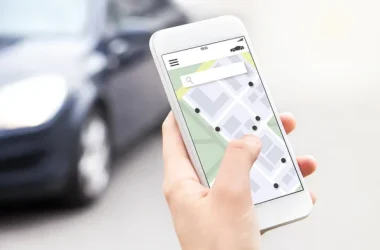
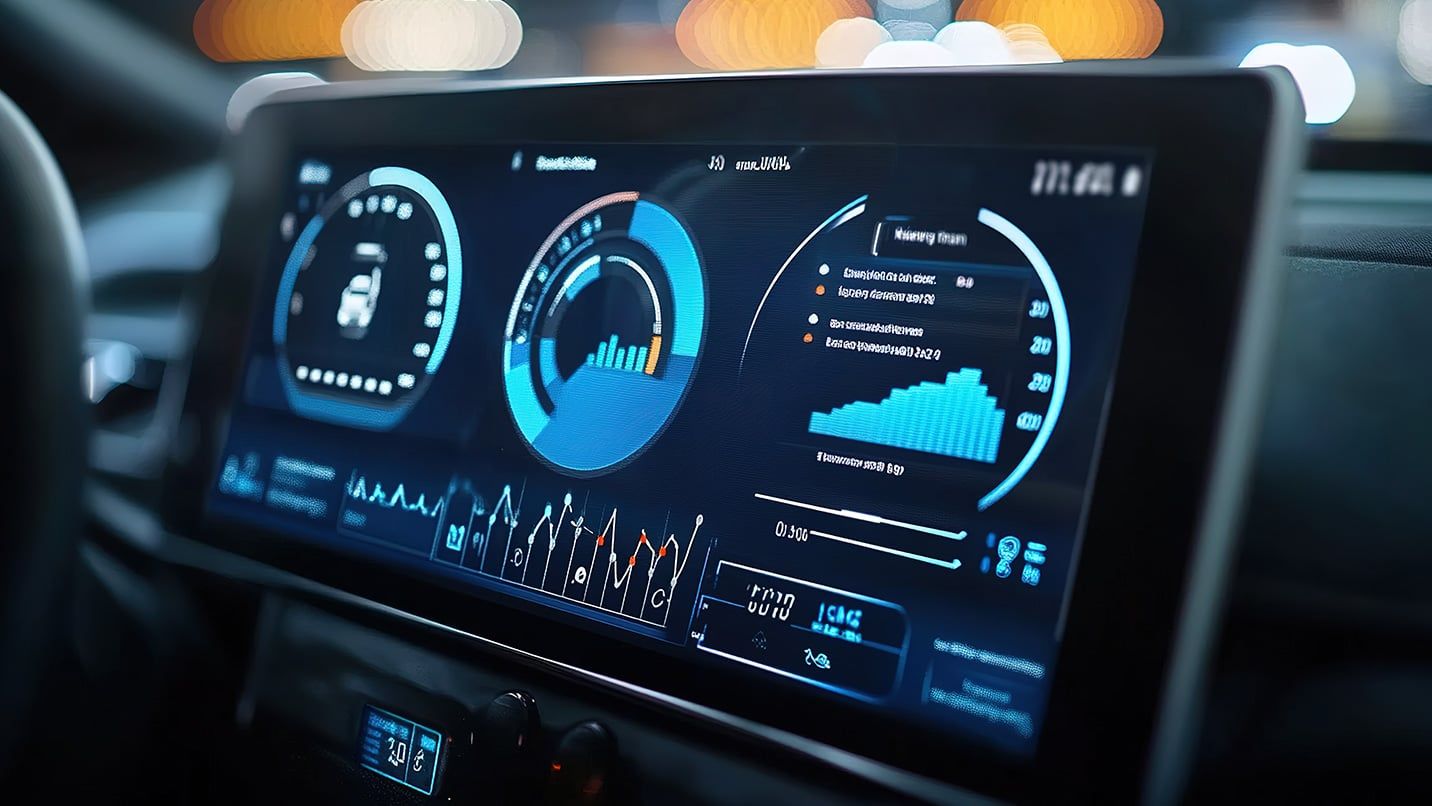
Telematics combines telecommunications and informatics. In the auto insurance world, it means collecting driving data through a device or smartphone app, then transmitting that data to your insurer.
Think of it like a fitness tracker, but for your car. Instead of counting steps, it counts miles, monitors acceleration, tracks braking habits, and sometimes even notes the time of day you drive.
Insurers love it because it lets them price risk more accurately. Safe drivers get discounts. Risky drivers pay more. Simple, right?
Well… not entirely.
Why Insurers Are Betting Big on Telematics
Traditional insurance pricing relies on broad categories: your age, your zip code, your credit score, the car you drive. It’s a blunt instrument. Two 35-year-olds in the same neighborhood could have wildly different driving habits, yet they might pay similar rates.
Telematics sharpens that picture. Usage-based insurance (UBI) programs — like Progressive’s Snapshot or Allstate’s Drivewise — reward low-mileage, careful drivers. According to various industry reports, telematics-based policies have grown steadily, with adoption rising sharply in the last five years.
For insurers, the appeal is obvious: better data, better risk models, fewer surprises. For drivers, the pitch is equally tempting — prove you’re safe, pay less.
But here’s the deal. That same data can reveal a lot more than how safely you drive.
The Privacy Elephant in the Passenger Seat
Let’s be honest. Most of us don’t read the fine print when we sign up for a telematics program. We see “save up to 30%” and click “agree.”
But that fine print often grants insurers access to:
- Your real-time location (GPS coordinates, down to the street)
- Times of day you drive (late nights? early mornings?)
- Hard braking and rapid acceleration events
- Phone usage while driving (in some apps)
- Total mileage and trip frequency
Now, combine that with other data sources — credit reports, social media, shopping habits — and you’ve got a surprisingly detailed profile. Some privacy advocates argue this borders on surveillance, not insurance.
And it’s not just paranoia. In 2023, a major investigative report revealed that some connected car manufacturers were sharing driving data with data brokers, which then sold it to insurers. Drivers had no idea. That’s a problem.
Real-World Risks Drivers Should Know About
So what’s the worst that could happen? Plenty, actually.
1. Premium Increases Based on Incomplete Data
Telematics doesn’t always capture context. That hard brake? Maybe you avoided a child running into the street. But the algorithm just sees “hard brake = risky driver.”
2. Data Breaches
Insurers hold massive amounts of personal data. If breached, your location patterns, daily routines, and driving habits could end up in the wrong hands. That’s a safety concern, not just a privacy one.
3. Discrimination by Proxy
Telematics can inadvertently penalize people who drive at night — often lower-income workers with night shifts. Or those who live in areas with more traffic congestion. It’s not intentional discrimination, but the effect can feel the same.
4. Consent That Isn’t Really Consent
Many telematics programs require opt-in. But when the alternative is paying significantly higher premiums, how voluntary is that choice, really?
A Quick Look at the Legal Landscape
Regulations are… messy. In the U.S., there’s no single federal law governing telematics data in insurance. Instead, it’s a patchwork of state rules, some stricter than others.
| Region | Key Privacy Rule | Impact on Telematics |
|---|---|---|
| California (CCPA/CPRA) | Right to know, delete, opt out | Insurers must disclose data use |
| EU (GDPR) | Explicit consent required | Stricter opt-in, data minimization |
| Texas | Insurance code limits data sharing | Some protections, but gaps remain |
| New York | DFS guidance on data privacy | Insurers must justify data collection |
That said, enforcement is inconsistent. And technology moves faster than legislation — always has, probably always will.
How to Protect Your Privacy Without Losing Discounts
You don’t have to choose between savings and privacy. Well, not completely. Here are some practical steps:
- Read the data policy. Look for what data is collected, how long it’s stored, and who it’s shared with.
- Ask about opt-outs. Some programs let you pause data collection or delete historical data.
- Use app-based telematics only if necessary. Plug-in devices can be removed; phone apps often track more (like phone handling).
- Check for limits on data use. Insurers shouldn’t use your data for marketing or sell it to third parties without explicit consent.
- Monitor your premium changes. If rates jump unexpectedly, request a detailed explanation.
Honestly, a little vigilance goes a long way. And if a program feels too invasive? You can walk away. There are still traditional policies out there.
The Road Ahead: Balance, Not Blind Trust
Telematics isn’t inherently evil. In fact, it can make insurance fairer for good drivers and encourage safer habits. But like any powerful tool, it needs guardrails.
Insurers need to be transparent. Regulators need to keep up. And drivers? We need to ask better questions before we hand over our data.
Because here’s the thing: your driving data tells a story about your life. Where you go, when you go, who you see. That’s not just risk assessment — that’s your daily routine, your habits, your privacy.
So the next time you see a “save 30%” offer, pause. Read the fine print. And decide what your data is really worth to you. The road to better insurance shouldn’t require giving up the right to a private life behind the wheel.