

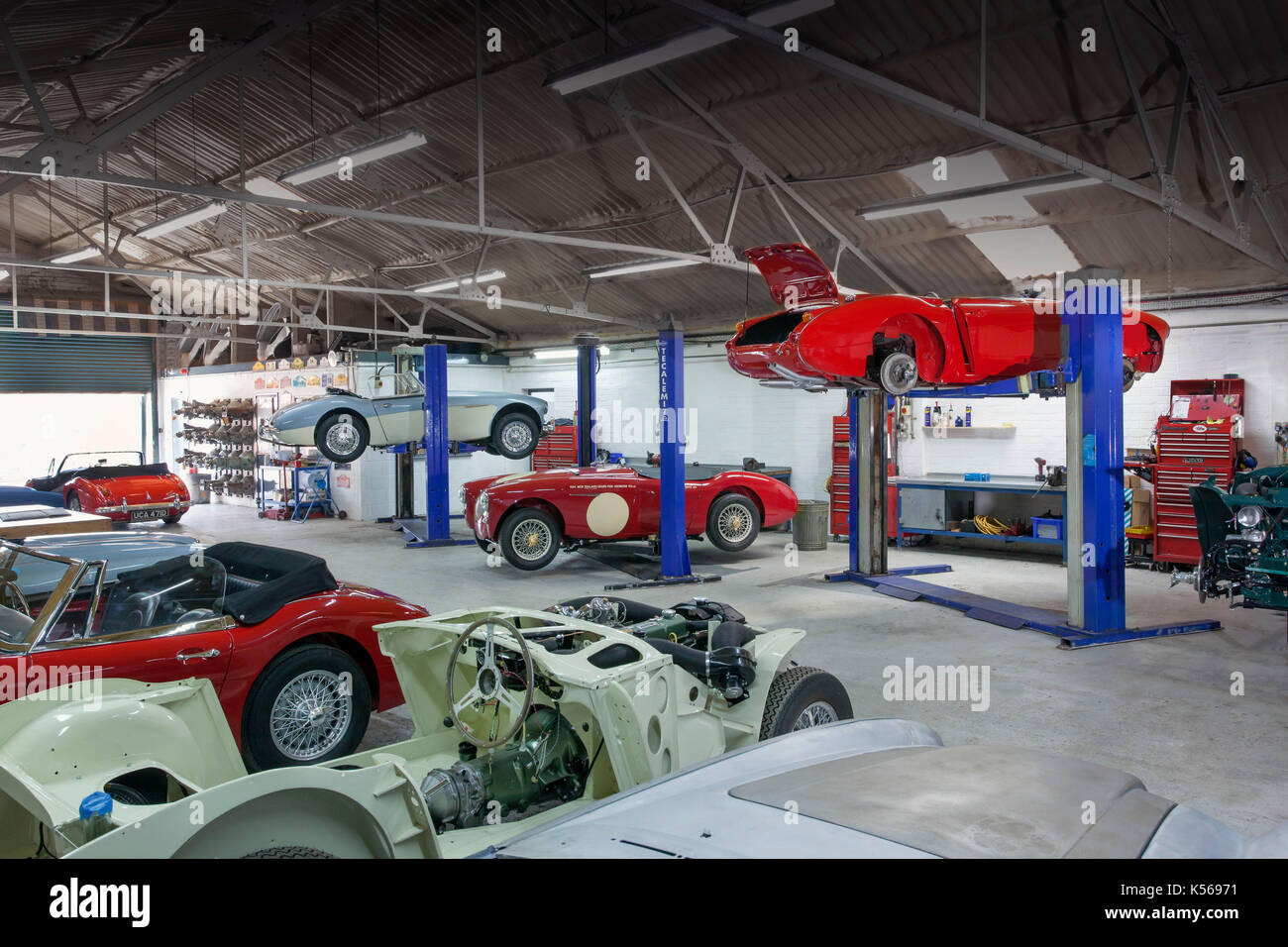
You’ve spent countless weekends in the garage. Your knuckles are permanently stained, your playlist is stuck on 1970s rock, and your wallet? Well, let’s not talk about the wallet. But here’s the thing — your classic car isn’t just a car. It’s a time capsule, a labor of love, and honestly, a second child. So when it comes to insurance, you can’t just slap a standard policy on it and call it a day. Modified and restored vehicles? They live in a whole different universe of risk, value, and paperwork.
Let’s dive into the nitty-gritty of classic car insurance for modified and restored rides. Because trust me, the difference between a standard policy and a specialized one can be the difference between a payout and a punch in the gut.
Why Your Regular Auto Insurance Isn’t Enough
Here’s the deal. Your daily driver insurance is built for depreciation. It’s designed to pay you the actual cash value of a car that loses value the second you drive it off the lot. Classic cars? They appreciate. Or at least, they hold value in ways that make insurance adjusters scratch their heads.
If you’ve modified your engine, swapped in a custom suspension, or restored a ’67 Mustang from a rust bucket to a showstopper, a standard policy will only pay out what it thinks the car is worth — usually a fraction of what you’ve invested. And that’s not even mentioning the aftermarket parts. You think your standard policy covers that $4,000 supercharger? Nope. Not even close.
So, what’s the alternative? Agreed value coverage. That’s the magic phrase. You and the insurer agree on a value upfront. If the car is totaled, they write you a check for that exact amount. No haggling, no “well, the market says…” nonsense. It’s peace of mind in a binder.
The Modified vs. Restored Distinction (It Matters)
Now, here’s where it gets interesting. Insurers don’t treat all classic cars the same. There’s a big difference between a restored vehicle (back to factory specs, original parts, period-correct) and a modified one (custom, upgraded, or restomodded).
A restored car is often easier to insure. It’s predictable. The value is based on originality, rarity, and condition. But a modified car? That’s where underwriters get twitchy. They see a modified engine as a higher risk — maybe you’re driving faster, maybe the parts aren’t certified, maybe the workmanship is questionable. So you’ll need a policy that specifically understands the modification culture.
Some insurers outright refuse modified cars. Others, like Hagerty or Grundy, specialize in them. They get it. They know that a restomod isn’t just a classic car with a new paint job — it’s a completely different beast.
Key Coverage Gaps to Watch For
Before you sign anything, check for these common gaps. You’d be surprised how many people assume they’re covered, only to find out later they aren’t.
- Aftermarket parts coverage: Does the policy itemize your custom wheels, stereo, or performance mods? Or is it a blanket “up to” amount that’s laughably low?
- Spare parts coverage: Got a spare engine sitting in the garage? Some policies cover it, some don’t.
- Roadside assistance: Classic cars break down. It’s a fact of life. Make sure your policy includes flatbed towing — not just a standard hook-and-chain truck that’ll scrape your undercarriage.
- Track day coverage: If you ever take your car to a track day (even just for fun), most policies exclude it. You’ll need a separate rider.
- Storage flexibility: Some insurers require a locked garage. Others are more lenient. Know the difference.
Agreed Value vs. Stated Value: Don’t Confuse Them
Okay, let’s clear up some confusion here. People throw these terms around like they’re interchangeable. They’re not.
Agreed value is your best friend. You and the insurer agree on a value. You pay premiums based on that. If the car is totaled, you get that amount. Period. No arguments.
Stated value is a bit trickier. It’s the value you state when you buy the policy. But the insurer can pay out less if they determine the car wasn’t actually worth that at the time of the loss. It’s a loophole that’s burned a lot of collectors. Avoid it if you can.
So, when you’re shopping around, ask point-blank: “Is this agreed value or stated value?” If they hesitate, walk away.
How to Document Your Build (This Is Critical)
You know that shoebox of receipts under your workbench? It’s time to digitize it. Insurers need proof of your car’s value, and that means documentation. Lots of it.
Here’s what I recommend:
- Take photos of everything. Before, during, and after the build. Show the rust, show the bare metal, show the final shine. A photo timeline is worth its weight in gold.
- Keep every receipt. Even the small ones. That $12 gasket? It adds up. Seriously, you’d be surprised how quickly $12 gaskets turn into $12,000 in parts.
- Get a professional appraisal. Not your buddy who “knows cars.” A certified appraiser who specializes in classic and modified vehicles. They’ll give you a written report that insurers actually respect.
- Document your labor. If you did the work yourself, note the hours. Some insurers factor in labor costs for restoration. Not all, but some.
Honestly, this documentation isn’t just for insurance. It’s for you. It’s the story of your build. But it also makes the claims process a thousand times smoother if the worst happens.
Usage Restrictions: The Fine Print That Bites
Here’s a pain point that trips up a lot of owners. Classic car policies often come with mileage limits. You might be capped at 2,500 or 5,000 miles a year. That’s fine if your car only goes to car shows and weekend cruises. But if you’re planning a cross-country road trip? You’ll blow through that limit in a week.
Some insurers offer “unlimited mileage” options, but they cost more. Others have “occasional use” clauses — meaning you can’t use the car for daily commuting. If you’re caught using it to get to work, they can deny a claim. That’s a hard pill to swallow.
So, be honest with yourself about how you use the car. And be honest with the insurer. Lying about mileage or usage is a one-way ticket to a denied claim.
Specialty Insurers vs. Mainstream Companies
You’ve got two paths here. The mainstream giants (Geico, State Farm, etc.) do offer classic car policies, but they’re often just repackaged versions of their standard products. They might not understand the nuances of a modified vehicle. They might not know what a “crate engine” is, or why a “patina” finish is actually valuable.
Specialty insurers, on the other hand, live and breathe this stuff. They employ people who get it. They’re more flexible with modifications, they offer better agreed value options, and they often have lower premiums because they understand the risk profile of classic car owners (you’re not driving 20,000 miles a year, you’re not texting while driving, you’re probably a responsible adult).
Here’s a quick comparison to make it clearer:
| Factor | Mainstream Insurer | Specialty Insurer |
|---|---|---|
| Agreed Value | Sometimes | Usually standard |
| Modification Coverage | Limited, often excluded | Fully customizable |
| Mileage Limits | Strict (2,500-5,000) | Flexible, options available |
| Claims Handling | Generic adjusters | Classic car specialists |
| Premium Cost | Often higher | Often lower |
That said, don’t just assume specialty is always better. Do your homework. Read reviews, talk to other owners in your club or online forum. The best policy is the one that fits your specific situation.
Current Trends in the Classic Car Insurance World
One thing I’ve noticed lately — the rise of electric restomods. People are dropping Tesla motors into classic Porsches and old Land Rovers. It’s wild. And it’s throwing insurers for a loop. How do you value a 1968 Jaguar E-Type that’s now electric? The parts are custom, the labor is insane, and the performance is… well, different.
Some specialty insurers are starting to embrace this. Others are running for the hills. If you’re considering an EV conversion, talk to your insurer before you start the project. Get it in writing that they’ll cover it.
Another trend? Data loggers and telematics. Some insurers now offer discounts if you install a device that tracks your driving habits. For classic car owners, this can be a double-edged sword. Sure, you might save money. But do you really want an insurer knowing every time you rev the engine to 6,000 RPM? Probably not.
The Bottom Line on Classic Car Insurance
Look, insurance isn’t sexy. It’s not like that moment when your engine first roars to life after a rebuild. But it’s the safety net that lets you enjoy the ride without constantly looking over your shoulder.
Your modified or restored vehicle is a piece of art. It’s a statement. It’s a piece of history that you’ve personally shaped. Don’t protect it with a one-size-fits-all policy that treats it like a commuter sedan.
Take the time to shop around. Ask the hard questions. Document everything. And