
Let’s be honest—the idea of a “green” car used to mean a fresh coat of emerald paint. Not anymore. Today, it’s about what’s under the hood and inside the doors. Sourcing sustainable and recycled auto parts isn’t just a niche hobby for eco-warriors; it’s a practical, cost-effective, and genuinely impactful shift for mechanics, restorers, and everyday car owners.
Think of it like this: every car is a treasure trove of materials waiting for a second act. By choosing recycled components, you’re not just saving money. You’re voting for a circular economy that reduces mining, cuts energy use, and keeps useful stuff out of landfills. It’s a win-win-win, really. But where do you start? The landscape can feel… messy. This guide cuts through the noise.
Why Bother? The Real Impact of “Green” Parts
Sure, the environmental cred is nice. But the benefits are far more tangible. For one, the carbon footprint of a recycled steel part is a fraction of a new one. We’re talking about up to 80% less energy used in production. That’s massive.
Then there’s cost. A quality recycled alternator or door panel can cost 50% less than its brand-new counterpart. And for older or discontinued models, salvaged parts might be your only option to keep the vehicle on the road. That’s sustainability in its purest form—preserving the machine you have.
Common Myths (That Just Aren’t True)
Let’s clear the air. A big hesitation is quality. “Recycled means worn-out,” right? Wrong. Professional auto recyclers test, grade, and often warranty parts. A salvaged engine from a low-mileage wreck can be as reliable as new—sometimes more so, having proven its durability. Another myth? That it’s all about big parts. Actually, it’s the small stuff—switches, sensors, trim pieces—where sourcing recycled makes the process incredibly easy and effective.
Your Roadmap to Finding the Right Parts
Okay, you’re convinced. Here’s the deal on how to actually do it. You’ve got a few main avenues, each with its own vibe.
1. Professional Auto Recyclers & Yards
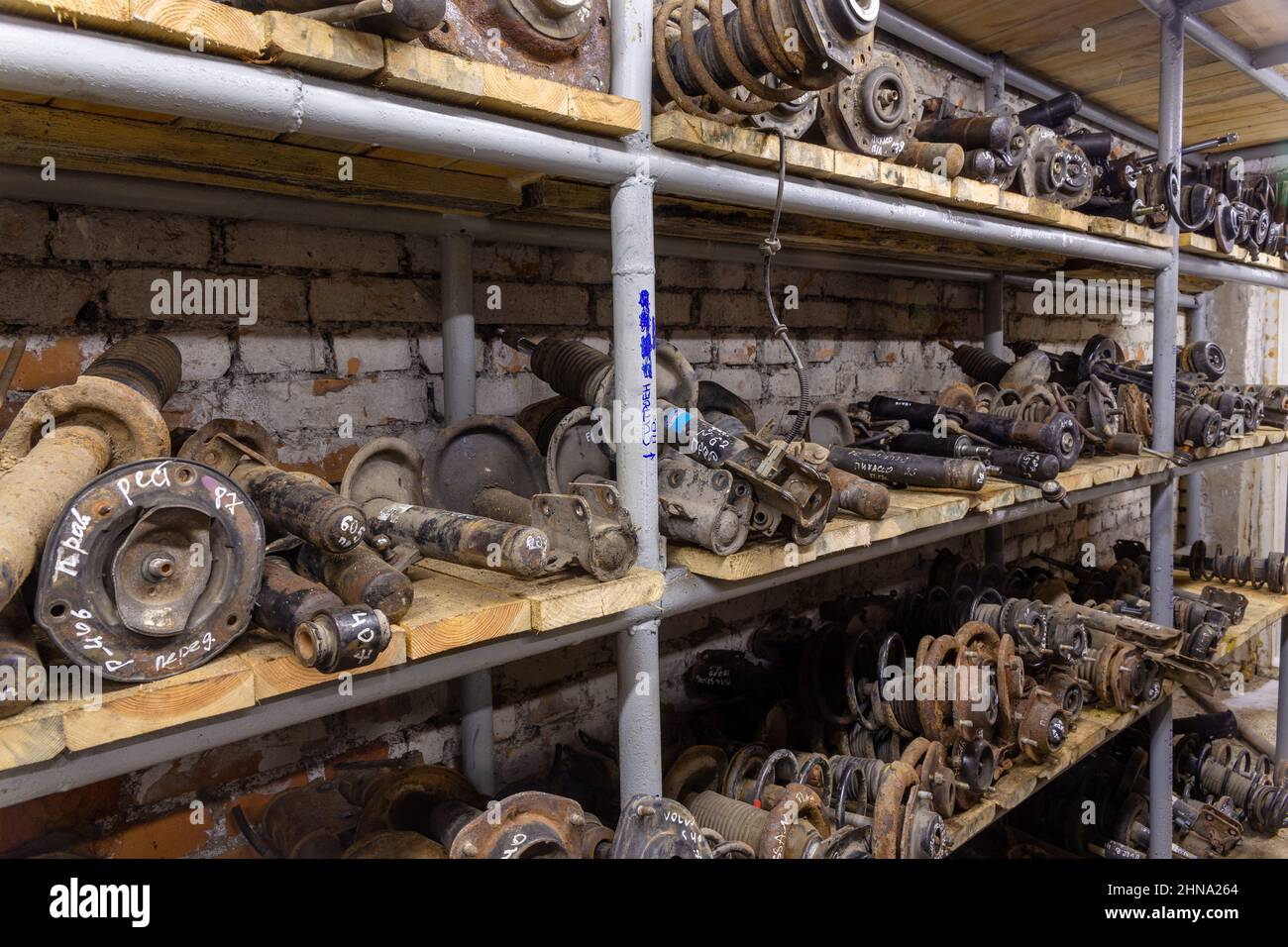
This is your first stop for major components. The good ones aren’t junkyards; they’re organized inventories. They use systems like the Automotive Recyclers Association (ARA) certified parts program. You can search national databases online for a specific part, see the vehicle it came from (year, mileage), and get a guarantee. It’s systematic, reliable.
2. Online Marketplaces & Forums
For the treasure hunters. eBay Motors, Craigslist, or model-specific forums are fantastic for hard-to-find trim, vintage badges, or that one specific wheel. The key here is diligence. Ask for the part’s history, request detailed photos, and always use secure payment methods. The community aspect on forums is gold—enthusiasts love to help a car live on.
3. Remanufacturers & Core Exchange Programs
This is a powerhouse of sustainability. A remanufactured part—think starters, turbos, calipers—is rebuilt to original specs, often with updated improvements. You trade in your old “core,” which gets remanufactured again. The cycle is beautiful. Quality is typically top-tier, with warranties that match or beat new parts. It’s a brilliant model.
What to Look For (And What to Avoid)
Not all that glitters is green, you know. Here’s a quick checklist to navigate your purchase.
- Ask for provenance: What car did it come from? What was the mileage and cause of salvage?
- Check for certifications: ARA, ISO 14001 (environmental management) are good signs.
- Inspect or request high-res photos: Look for corrosion, wear, or damage. Don’t be shy.
- Understand the warranty: What does it cover and for how long? A 90-day minimum is standard.
- Avoid safety-critical parts from uncertain sources: Things like airbags, seatbelt pretensioners, or structural welds are best left to certified professionals or bought new. Just not worth the risk.
And here’s a quick table to break down the best uses for each source:
| Source Type | Best For | Pro Tip |
| Certified Auto Recycler | Engines, transmissions, doors, major electronics | Use their online inventory search; it saves hours. |
| Online Marketplace | Trim, wheels, vintage/discontinued parts | Build a relationship with a specialist seller. |
| Remanufacturer | Complex mechanical parts (alternators, fuel injectors, racks) | Always ask about core exchange value to save more. |
The Future is Already in the Shop
Honestly, the trend is accelerating. Car manufacturers themselves are now designing for disassembly and using more recycled content. You’ll find seat fabric made from bottles, sound insulation from old carpets, and console parts from recycled plastics. When you source a sustainable component, you’re plugging into that same innovative mindset.
The pain point for many is simply… starting. It feels easier to click “buy new” on a familiar website. But the extra few minutes spent searching for a recycled option? That action has a ripple effect. It supports a greener industry, saves you cash, and gives a piece of engineering another life.
So next time your car needs something—a mirror, a bumper, a control module—pause. Consider the alternative. It’s not about being perfect. It’s about making a better choice where you can. Because the most sustainable car, in the end, is the one that stays on the road, pieced together thoughtfully, for as long as possible.