
So, you live in an apartment. You bought an electric vehicle — or you’re thinking about it. And now you’re staring at a parking lot that has… absolutely nothing. No chargers. No outlets. Just asphalt and maybe a stray shopping cart. It’s a common pain point, honestly. But here’s the good news: installing EV charging infrastructure for apartments isn’t just possible — it’s becoming a necessity. Let’s break it down.
Why Apartment EV Charging is a Big Deal
Look, single-family home owners have it easy. They just plug in overnight in their garage. But for apartment dwellers? It’s like owning a smartphone with no wall outlet — frustrating, and kinda ridiculous. Over 80% of EV charging happens at home, according to the U.S. Department of Energy. If you can’t charge where you park, you’re stuck relying on public stations. And that’s a hassle.
Property managers and HOAs are starting to wake up to this. Why? Because EV charging is a major amenity now. It’s up there with in-unit laundry or a gym. In fact, a 2023 survey found that 71% of renters would pay more for a unit with EV charging. That’s not a trend — that’s a shift.
The Three Main Approaches for Apartments
Alright, let’s get practical. There’s no one-size-fits-all solution. But most apartment buildings fall into one of three categories. Here’s the deal:
1. Level 1 Charging (The “Just a Plug” Method)
This is the simplest — and cheapest — option. You literally install a standard 120-volt outlet near each parking spot. Residents use their own portable charger that came with the car. It’s slow, sure. You’ll get about 3 to 5 miles of range per hour. But for overnight charging? It works. Think of it like a trickle charger for your phone — not fast, but reliable.
Pros: Low upfront cost, minimal electrical work, easy to retrofit.
Cons: Slow charging, may not meet needs of daily commuters, potential for shared outlet disputes.
2. Level 2 Charging (The Sweet Spot)
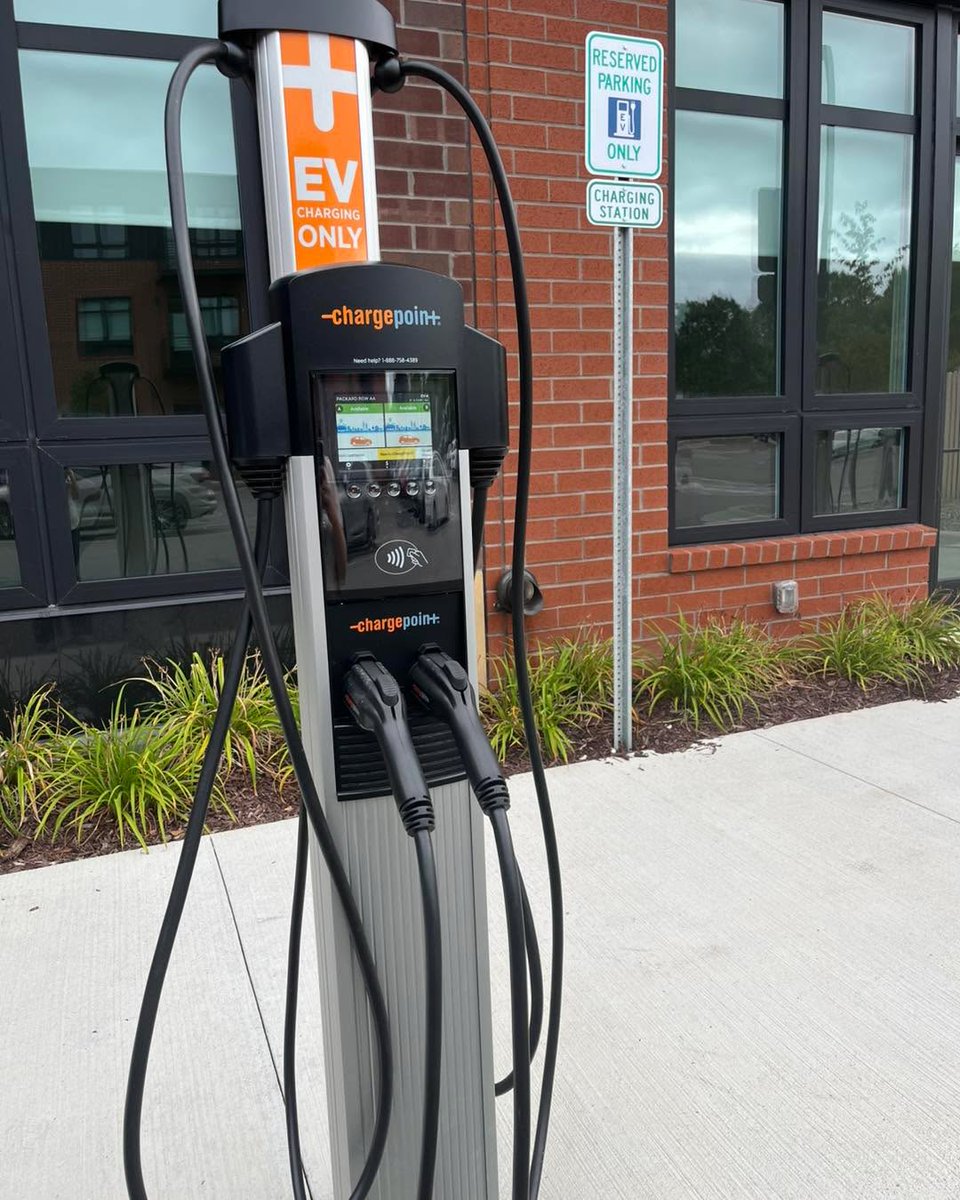
This is the gold standard for apartments. Level 2 chargers run on 240 volts — like a dryer or oven. They juice up a car 5 to 10 times faster than Level 1. We’re talking 20 to 30 miles of range per hour. Most apartment installations use a shared system, where residents can plug in for a few hours and rotate.
You’ll see these in parking garages or designated EV spots. Some buildings install a handful of units; others go all-in with a charger for every spot. Cost varies wildly — from $500 per unit for basic models to $5,000+ for networked smart chargers. But here’s the kicker: many utility companies offer rebates. Like, serious rebates. Check your local programs.
3. DC Fast Charging (The Overkill… Sometimes)
DC fast chargers are the racehorses of the EV world. They can add 100 miles in 20 minutes. But they’re expensive — think $20,000 to $50,000 per unit — and require serious electrical infrastructure. For most apartments, this is overkill. Unless you’re a luxury high-rise near a highway, or you have a fleet of ride-share EVs, skip this one. Stick with Level 2.
Who Pays for All This? (The Money Talk)
Ah, the million-dollar question. Actually, it’s more like the $10,000 question. Installation costs can be steep — especially if your building’s electrical panel needs an upgrade. But there are models:
- Owner-funded: The building pays upfront, then charges residents a fee (per kWh or per session). This works if the landlord sees EV charging as a long-term investment.
- Resident-funded: Tenants split the cost, or one resident pays for a dedicated charger. This is common in condos or co-ops.
- Third-party leasing: Companies like ChargePoint or EVgo install chargers for free, then take a cut of the revenue. It’s like a vending machine for electrons.
- Government grants: The federal NEVI program and state-level incentives can cover up to 50% of costs. No joke — check the Alternative Fuels Data Center for details.
One thing to remember: “right to charge” laws are becoming more common. In California, Colorado, and several other states, landlords can’t unreasonably deny a tenant’s request to install a charger. You might have to pay for it yourself, but they can’t just say no.
Practical Steps for Getting It Done
So you’re convinced. Now what? Here’s a rough roadmap — not perfect, but a start:
- Survey your parking situation. How many spots? Assigned or first-come? Is there existing conduit or panel capacity?
- Talk to your neighbors. Gauge interest. You’re not alone — odds are, a few other residents want this too.
- Get a quote from a licensed electrician. They’ll assess load capacity and give you a ballpark figure. Expect $1,500 to $6,000 per charger, depending on distance from the panel.
- Check incentives. Seriously, do this before you spend a dime. Some utilities offer free Level 2 chargers with installation.
- Choose a billing model. Will residents pay per kWh? Monthly flat fee? Or free as an amenity? Make it clear and fair.
- Install and test. Then promote it. Put a sign in the lobby: “EV charging now available.” It’s a selling point.
Common Hurdles (and How to Jump Over Them)
Let’s be real — nothing’s ever smooth. Here are the typical roadblocks:
Electrical Panel Capacity
Old buildings have panels that are maxed out. You might need a “load management” system — a fancy device that shares power between chargers and other loads. It’s like a smart traffic cop for electricity. Costs a bit more, but avoids a $20,000 panel upgrade.
Parking Assignment Drama
Who gets the charger spots? If spaces aren’t assigned, you’ll need a reservation system or a simple “first come, first served” rule. Some buildings use license plate recognition cameras. Others just use a sign-up sheet. Keep it simple.
Metering and Billing
If you have one meter for the whole building, you can’t just let residents plug in for free — someone pays the electric bill. Smart chargers can track usage per user. Or you can install sub-meters. Either way, avoid the “honor system” — it always leads to arguments.
A Quick Comparison Table
| Charger Type | Speed (miles/hour) | Cost (per unit installed) | Best For |
|---|---|---|---|
| Level 1 (120V) | 3–5 | $200–$500 | Overnight charging, low budget |
| Level 2 (240V) | 20–30 | $1,500–$6,000 | Daily use, shared or dedicated |
| DC Fast Charger | 100+ | $20,000–$50,000 | High-traffic, commercial use |
Honestly, Level 2 is the sweet spot for 90% of apartments. It’s fast enough for daily commutes, and the cost is manageable — especially with rebates.
Future-Proofing Your Building
Here’s a thought: EV adoption is only accelerating. By 2030, one in four new cars sold could be electric. If you install charging now, you’re ahead of the curve. But think ahead — run conduit to future parking spots even if you don’t install chargers yet. It’s cheap now, expensive later. That’s the kind of foresight that makes a building “future-proof.”
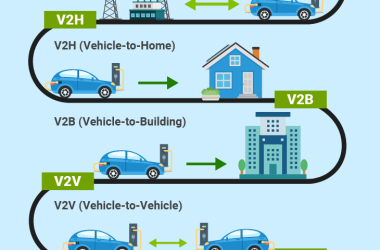
Also, consider bidirectional charging — where your car can power your apartment during an outage. It’s still niche, but it’s coming. Don’t bury cables that can’t handle it later.
Wrapping It Up (Without the Fluff)
Installing EV charging in an apartment isn’t rocket science. It’s more like… plumbing. You need a plan, a budget, and someone who knows what they’re doing. But the payoff? Tenants who stay longer, higher property value, and a cleaner planet. That’s not bad for a few outlets and some wiring.
So whether you’re a property manager, a condo board member, or just a renter who’s tired of hunting for public chargers — start the conversation. It’s easier than you think. And honestly, it’s kind of exciting. The future is electric. Your parking lot should be too.