

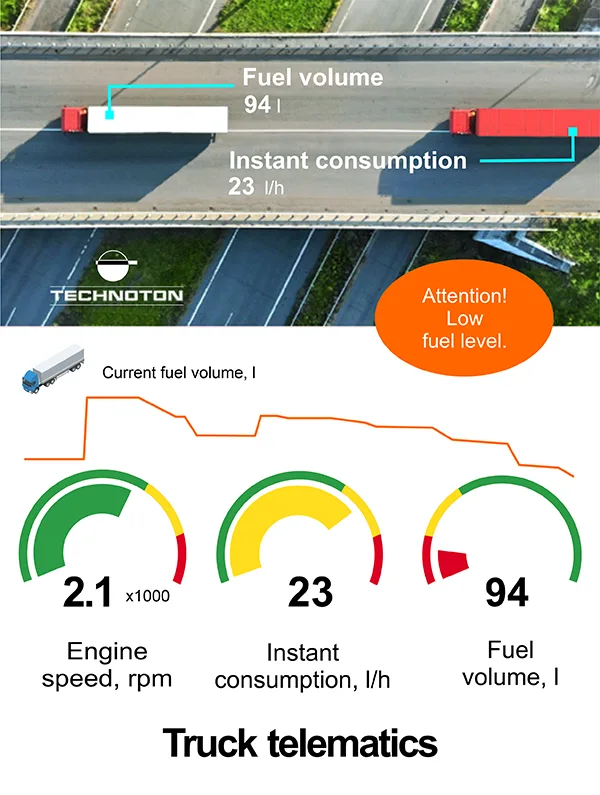
Your fleet is a rolling data center. Every truck, van, or sedan in your operation is quietly whispering secrets—speeds, routes, driver behavior, fuel usage, even engine temperature. Telematics makes this magic happen. It’s the invisible co-pilot that helps you cut costs, improve safety, and boost efficiency. But here’s the thing nobody talks about over coffee: that same data is a goldmine for hackers, regulators, and even your competitors. So, how do you keep the engine running without letting the data leak?
What Exactly Is Telematics Data? (And Why Should You Care?)
Telematics is basically a marriage of telecommunications and informatics. It’s the GPS tracker, the onboard diagnostics, the camera feeds, and the driver scorecards all rolled into one. Your vehicles are constantly sending data to the cloud. That data includes:
- Real-time location and geofencing alerts
- Speed, idling, and harsh braking events
- Fuel consumption and engine health metrics
- Driver identification and hours-of-service logs
- Video footage from dash cams (inside and out)
Now, imagine that data falling into the wrong hands. A competitor knows your delivery routes. A hacker locks your fleet’s ECU and demands a ransom. Or worse—a regulator fines you for mishandling driver personal information. It’s not sci-fi. It’s happening. And honestly, the scariest part is how many fleet owners are still asleep at the wheel.
The Privacy Paradox: You Need Data, But Drivers Have Rights
Here’s the deal: your drivers aren’t just employees—they’re human beings with expectations of privacy. Sure, you own the vehicle. But they bring their own lives into the cab. They take personal calls, eat lunch, maybe even sing off-key. Telematics can capture all of that if you’re not careful. And in many jurisdictions, recording audio or video without explicit consent is illegal.
Think about it like this: telematics is a powerful telescope. You can see the stars (your fleet performance), but if you point it at someone’s bedroom window (their private moments), you’re crossing a line. The trick is to collect only what you need—and to be transparent about it.
Security Threats That Keep Fleet Managers Up at Night
Let’s get real about the bad guys. They’re not just script kiddies in basements. They’re organized, patient, and very creative. Here are the top threats to your telematics data:
- Ransomware on the cloud platform – Attackers encrypt your telematics data and demand payment. You lose visibility of your entire fleet.
- Man-in-the-middle attacks – Hackers intercept data between the vehicle and the server. They can spoof locations or alter driver logs.
- Physical theft of the telematics device – Someone yanks the black box from a parked truck. They now have access to your network.
- Insider threats – A disgruntled employee with admin access sells route data to a competitor. It happens more than you think.
- Weak API security – Your telematics provider’s API might have vulnerabilities that allow unauthorized access to your fleet data.
And here’s a stat that’ll make you wince: according to a 2023 report by Upstream Security, nearly 40% of all cyberattacks on connected vehicles targeted fleet management systems. That’s not a blip—it’s a trend.
Building a Fortress Around Your Fleet Data (Without Breaking the Bank)
So, what can you actually do? Well, you don’t need a dedicated IT security team. But you do need a strategy. Let’s break it down into actionable steps.
1. Choose Your Telematics Provider Like You’d Choose a Bank
Not all telematics vendors are created equal. Some treat security as an afterthought. Ask them hard questions: Do they encrypt data in transit and at rest? Do they have SOC 2 certification? What about GDPR or CCPA compliance? If they hem and haw, walk away. Your data is too valuable to trust to a fly-by-night operation.
2. Encrypt Everything – No Exceptions
Encryption is like a locked briefcase. Even if someone steals it, they can’t read the contents. Make sure your telematics data is encrypted end-to-end. That means from the vehicle’s telematics unit, through the cellular network, all the way to your dashboard. If your provider doesn’t offer this, it’s a red flag the size of a semi-truck.
3. Implement Role-Based Access Control (RBAC)
Not everyone in your company needs to see everything. Your dispatcher doesn’t need driver license numbers. Your accountant doesn’t need real-time GPS tracking. Set up permissions so that each user only sees what they need to do their job. It’s like giving keys to different rooms—not the whole building.
4. Train Your Drivers on Data Hygiene
Drivers are your first line of defense. Teach them to spot phishing emails that look like they’re from the telematics provider. Show them how to lock the telematics unit if they park overnight. And for heaven’s sake, make sure they know not to share login credentials. A simple training session can prevent a world of hurt.
The Legal Minefield: GDPR, CCPA, and the Alphabet Soup
Privacy laws are spreading like wildfire. If you operate in Europe, you’re under GDPR. In California, it’s CCPA. Other states and countries are piling on. These laws give drivers the right to know what data you collect, how you use it, and even the right to request deletion. Ignorance isn’t a defense—it’s a liability.
Here’s a quick comparison to help you stay straight:
| Regulation | Key Requirement | Penalty for Non-Compliance |
|---|---|---|
| GDPR (EU) | Explicit consent for data collection; right to erasure | Up to €20 million or 4% of global revenue |
| CCPA (California) | Disclosure of data sharing; opt-out rights | $2,500 per violation (intentional: $7,500) |
| LGPD (Brazil) | Similar to GDPR; data protection officer required | Up to 2% of revenue in Brazil |
Pro tip: Work with a legal advisor who understands transportation tech. Don’t just copy-paste a privacy policy from a template. Your fleet’s data practices are unique—your compliance should be too.
What About Dash Cams? The Creepy Factor
Dash cams are a hot button. They can exonerate a driver in an accident or catch a thief. But they also record faces, conversations, and sometimes… awkward moments. The key is to use them ethically. Record only when the vehicle is in motion or when an event triggers it. And always—always—disclose the cameras with clear signage. Trust me, nothing kills morale faster than a driver feeling spied on during their lunch break.
Some fleets use inward-facing cameras to monitor driver fatigue. That’s fine, but you need a policy. Make it clear that the footage is only reviewed after a safety incident or a hard-braking event. Not for casual browsing. That’s how you lose a lawsuit—and your best drivers.
When Things Go Wrong: Incident Response Plans
Let’s say the worst happens. A breach. What now? If you don’t have a plan, you’re scrambling. A good incident response plan includes:
- Immediate isolation of affected systems
- Notification to your telematics provider
- Communication with drivers (don’t panic them, but be honest)
- Legal counsel review for regulatory reporting
- Forensic analysis to find the root cause
And here’s something most people forget: practice the plan. Run a tabletop exercise with your team. Simulate a ransomware attack. See who freezes and who steps up. It’s like a fire drill—boring until it saves lives.
The Future: Edge Computing and Zero Trust
We’re seeing a shift toward edge computing in telematics. Instead of sending all raw data to the cloud, some processing happens right on the device. That means less data in transit, fewer attack surfaces. It’s like cooking in your own kitchen instead of sending ingredients to a restaurant—you control the recipe.
Zero Trust architecture is also gaining traction. The old model was “trust but verify.” Now it’s “never trust, always verify.” Every access request—even from inside your network—gets checked. It’s paranoid, sure. But in a world where a single compromised driver account can expose your entire fleet, paranoia is a feature, not a bug.
Wrapping Up: Data Privacy Is a Culture, Not a Checklist
Look, telematics data privacy and security isn’t something you set and forget. It’s a living, breathing part of your fleet operations. It requires constant vigilance, regular updates, and a team that understands the stakes. You can’t just buy a firewall and call it a day. You have to bake security into every decision—from the vendor you choose to the training you provide.
The road ahead is full of data. Some of it is yours. Some of it belongs to your drivers. All of it needs protection. So, take a hard look at your current setup. Ask the uncomfortable questions. And remember: in the world of telematics, privacy isn’t just about compliance—it’s about trust. And once you lose trust, it’s a lot harder to regain than a lost GPS signal.