
Picture this: You’re sitting at home, the grid goes down, but your lights stay on. Your refrigerator hums along. Your EV, parked in the garage, isn’t just a car — it’s a battery on wheels. That’s the promise of vehicle-to-grid (V2G) technology for home energy storage. Honestly, it sounds like sci-fi, but it’s very real. And it’s reshaping how we think about energy independence.
What Exactly is Vehicle-to-Grid (V2G)?
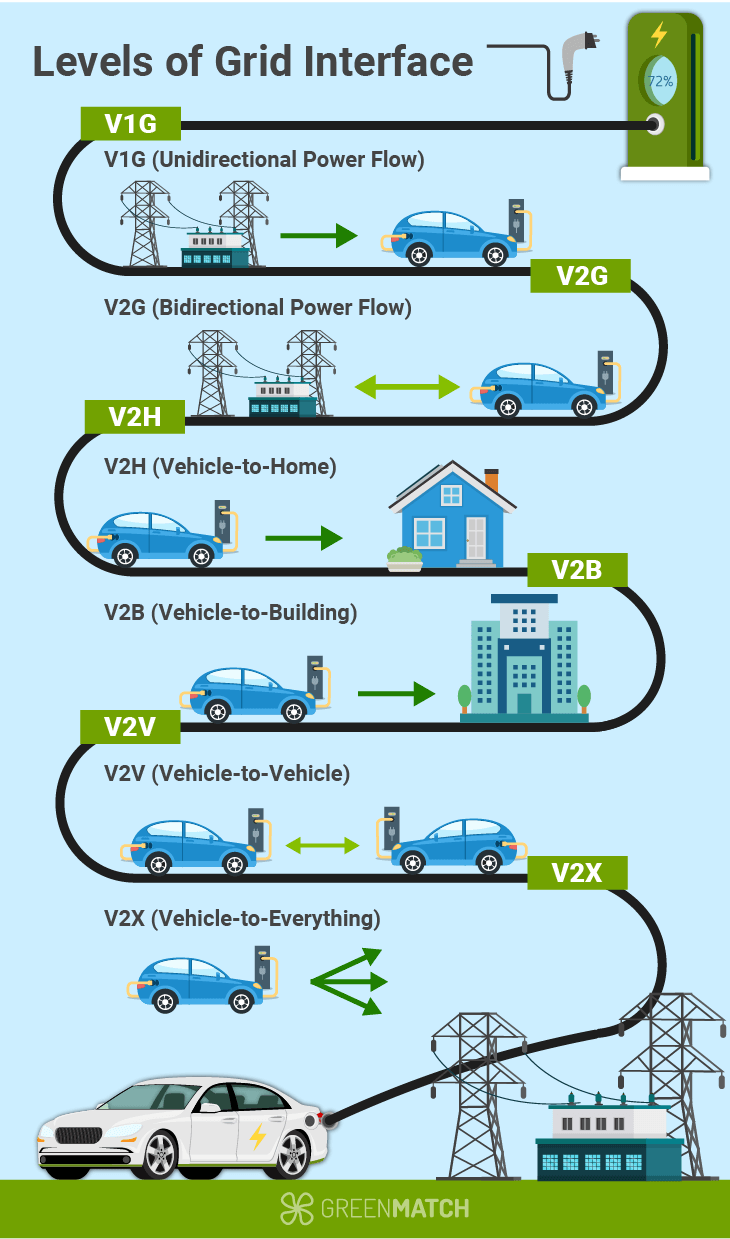
Let’s break it down simply. V2G allows electricity to flow both ways between your electric vehicle and your home — or the grid. Normally, you plug in your car to charge it. With V2G, your car can also discharge power back into your house. Think of it like a two-way street. Your EV becomes a giant, mobile power bank.
But here’s the kicker: it’s not just about backup power. It’s about smart energy management. You charge when electricity is cheap (say, overnight) and use that stored energy during peak hours when rates spike. Or, you sell it back to the grid for a profit. It’s like arbitrage, but with electrons.
How Does It Work in a Home Setting?
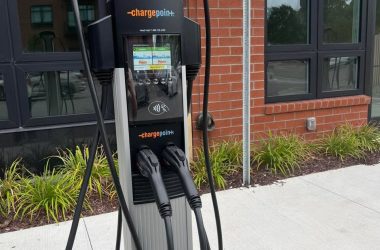
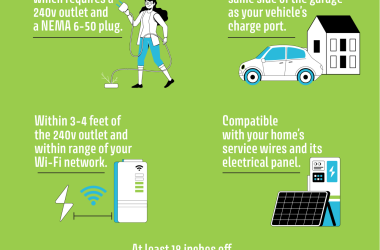
You need three things: a compatible EV, a bidirectional charger, and a home energy management system. The charger talks to your car and your home’s electrical panel. When you need power — like during a blackout — the system automatically switches your car from “charging mode” to “discharging mode.” It’s seamless. You might not even notice it happening.
Well, there’s a catch. Not all EVs support V2G yet. And bidirectional chargers are still a bit pricey. But the tech is evolving fast. Companies like Ford, Nissan, and Hyundai are already rolling out V2G-ready vehicles. The Nissan Leaf and Ford F-150 Lightning are early examples. Even Tesla is dipping its toes in with bidirectional charging capabilities in some models.
Why V2G for Home Energy Storage is a Game-Changer
Here’s the deal: most homes with solar panels already have battery storage — like a Tesla Powerwall or LG Chem. But those batteries are expensive. A typical home battery costs $10,000 to $15,000 installed. An EV, on the other hand, already has a massive battery. Why buy a second one when your car can do double duty?
Let’s run some numbers. A typical EV battery holds 40 to 100 kilowatt-hours (kWh). An average US home uses about 30 kWh per day. So, a fully charged EV could power your home for one to three days — easily. During a storm or outage, that’s a lifeline. And for daily use, you can shave your electricity bill by 30% to 50% using time-of-use rates.
The Financial Upside: Turning Your Car Into a Cash Cow
Think of it like this: your car sits idle 95% of the time. That’s wasted potential. With V2G, you can sell excess energy back to the grid during peak demand. Some utilities even pay you for it. In California, programs like Vehicle-Grid Integration (VGI) offer incentives. You could earn $500 to $1,500 a year just by letting your car help stabilize the grid. Not bad for a parked car, right?
But — and this is a big but — you need to factor in battery degradation. Every charge-discharge cycle wears down your EV battery slightly. However, modern batteries are built for thousands of cycles. Most EV warranties cover 8 years or 100,000 miles. If you use V2G smartly, the impact is minimal. Some studies suggest it might only reduce battery life by 5-10% over a decade. Worth it? For many, yes.
Real-World Use Cases: When V2G Shines
Let’s paint a picture. Imagine you live in Texas, where summer storms knock out power regularly. You have solar panels on your roof. During the day, they charge your EV. At night, when the grid goes down, your car powers your lights, fridge, and even your AC. No generator noise. No gas fumes. Just quiet, clean energy.
Or consider a family in New York with time-of-use rates. They charge their EV at night for 10 cents per kWh. During the day, when rates hit 40 cents, they discharge the car to run their home. They save $30 a month on electricity. Over a year, that’s $360. Plus, they get a backup power source for free.
V2G vs. Traditional Home Batteries: A Quick Comparison
| Feature | V2G with EV | Dedicated Home Battery |
|---|---|---|
| Upfront cost | $0 (if you already own an EV) | $10,000–$15,000 |
| Capacity | 40–100 kWh | 10–20 kWh |
| Mobility | Portable (take it with you) | Fixed installation |
| Battery wear | Moderate (cycles affect EV range) | Minimal (designed for cycling) |
| Grid revenue | Possible (sell back to utility) | Rarely |
Sure, a dedicated battery is simpler. But V2G offers flexibility. You can drive to work, then come home and power your house. That’s something a wall-mounted battery can’t do.
Challenges You Should Know About
Let’s be real — V2G isn’t perfect yet. First, compatibility is a mess. Not every EV works with every charger. You’ll need to check if your car supports CHAdeMO or CCS bidirectional standards. Most new EVs use CCS, but older ones like the Leaf use CHAdeMO. And some automakers, like Tesla, have their own proprietary systems.
Second, installation costs. A bidirectional charger can run $2,000 to $5,000, plus installation. That’s not cheap. But prices are dropping. In some regions, utilities offer rebates to offset the cost. Check your local incentives.
Third, there’s the “range anxiety” factor. If you discharge your EV to power your home, you might wake up with a half-empty battery. That could be a problem if you need to commute. Smart systems let you set a minimum charge level — say, 30% — so you always have enough for driving.
Regulatory Hurdles and Utility Cooperation
Honestly, this is the biggest bottleneck. Utilities are cautious. They worry about grid stability, safety, and metering. Some states, like California and New York, are leading the way with V2G pilot programs. But in many places, the rules are still fuzzy. You might need special permits or interconnection agreements. It’s frustrating, but it’s improving.
That said, the Infrastructure Investment and Jobs Act in the US includes funding for V2G research and deployment. Europe is even further ahead — countries like the Netherlands and UK have active V2G projects. The momentum is real.
Setting Up V2G at Home: A Step-by-Step (Rough) Guide
If you’re intrigued, here’s what the process looks like — roughly. It’s not plug-and-play yet, but it’s getting there.
- Check your EV compatibility. Look up your model. Most newer EVs from Ford, Hyundai, Kia, and Nissan support it. Tesla is rolling out bidirectional charging with the Cybertruck and some Model 3/Y versions.
- Choose a bidirectional charger. Brands like Wallbox, Enphase, and Fermata Energy make them. Some require professional installation.
- Talk to your utility. Ask about net metering, time-of-use rates, and V2G programs. They might have specific requirements.
- Install a home energy management system. This is the brain that decides when to charge or discharge. Some chargers have built-in smarts.
- Test it. Simulate a power outage. Make sure your car can actually power your critical loads. You’ll sleep better knowing it works.
One more thing: you’ll need a transfer switch or subpanel to isolate your home from the grid during an outage. This prevents backfeeding — which is dangerous for lineworkers. Don’t skip this step.
The Future of V2G: What’s Coming Down the Road
We’re at the inflection point. By 2025, most new EVs will likely support bidirectional charging. Charger prices will drop below $1,000. Utilities will standardize tariffs. And homes will become mini power plants — with your car as the centerpiece.
Imagine a neighborhood where 20 EVs collectively stabilize the grid during heatwaves. Or a city where electric school buses discharge power during peak hours. It’s not fantasy. It’s already happening in pilot projects from Los Angeles to Amsterdam.
For homeowners, the message is clear: your EV is more than transportation. It’s a strategic asset. It’s a backup generator. It’s a savings account. Sure, there are wrinkles to iron out — compatibility, cost, regulation. But the trajectory is unmistakable. V2G is coming. And it’s going to change how we think about energy, one car at a time.
So, next time you plug in your EV, think about it differently. That cable isn’t just charging a car. It’s connecting you to a future where your home and your vehicle work together — seamlessly, silently, and smartly. And honestly? That’s pretty cool.