

Let’s be honest—owning a car in a city these days feels a bit like keeping a treadmill in a studio apartment. You know, it’s bulky, expensive, and you’re not entirely sure when you’ll actually use it. But here’s the thing: the desire for mobility hasn’t vanished. It’s just… shifting. Instead of the old buy-and-hold model, a growing number of urban dwellers are flipping the script. They’re subscribing to cars the way they subscribe to Netflix or Spotify. No, really—it’s called a car subscription, and it’s quietly taking over city parking spots.
So, what’s driving this shift? Well, a few things. Sky-high car prices, the headache of insurance, and the sheer annoyance of maintenance. Sure, you could lease, but leases lock you in for years. Subscriptions? They’re flexible. You pay a monthly fee, and the car—plus insurance, maintenance, and roadside assistance—is yours. Swap it out for a different model when you feel like it. It’s like having a wardrobe, but for vehicles.
Why the Subscription Model Makes Sense in Crowded Cities
Think about the average city dweller for a second. They don’t commute daily—maybe two or three times a week. They use public transit, bikes, or their own two feet. But on a rainy Tuesday, or when they need to haul IKEA furniture, a car becomes a lifeline. That’s where subscriptions shine. You’re not paying for 30 days of sitting in traffic; you’re paying for the option of mobility.
And honestly, the math is starting to work out. A typical car payment plus insurance plus parking in a city like San Francisco or London? That can easily hit $800–$1,200 a month. Subscription services often land in that same ballpark, but without the down payment, the depreciation worry, or the surprise repair bills. It’s predictable. It’s simple. And for a generation that values experiences over possessions, it feels… right.
The Flexibility Factor: Not Just a Lease in Disguise
Now, you might be thinking, “Wait, isn’t this just a fancy lease?” Not quite. Leases are rigid—you’re stuck with the same car for 36 months, and there’s usually a mileage cap that feels like a threat. Subscriptions, on the other hand, often allow you to switch vehicles with a few weeks’ notice. Need a compact for the work week? Done. Want an SUV for a mountain trip next month? Just swap it.
That flexibility is a game-changer for people who live in tight spaces. You don’t need a garage full of vehicles. You need one that fits your current situation. And that’s the beauty of it—the model adapts to you, not the other way around. It’s like having a personal driver who also happens to be a car dealer.
Who’s Jumping on This Bandwagon?
It’s not just tech bros in Silicon Valley, either. The demographic is broadening. Young professionals, families who downsized, even retirees who want a car for the winter months. The common thread? They all live in urban areas where parking is a nightmare and ownership feels like a burden.
Here’s a quick look at the typical subscriber profile:
- Age range: Mostly 25–45, but creeping upward.
- Income: Middle to upper-middle class—they can afford a car, but choose flexibility.
- Lifestyle: Mix of remote work, hybrid schedules, and frequent weekend getaways.
- Pain point: They hate the hassle of ownership more than the cost itself.
And it’s not just individual consumers. Some companies are using subscriptions for their sales teams or delivery fleets. It’s cheaper than buying a fleet outright, and it scales with demand. Smart, right?
The Environmental Angle: Fewer Cars, Better Use
Here’s a subtle benefit that often gets overlooked. When you subscribe, you’re sharing resources. A single car in a subscription pool might serve three or four different users in a week. That’s fewer cars on the road, less concrete for parking lots, and a smaller carbon footprint overall. Cities are starting to notice. Some municipalities are even offering tax breaks or dedicated parking spots for subscription services.
It’s not a silver bullet for climate change, sure. But it’s a step toward a more circular economy. You’re using a car when you need it, not just because you own it. That’s a mindset shift worth paying attention to.
What’s the Catch? The Fine Print of Subscriptions
Alright, let’s not pretend it’s all sunshine and rainbows. There are wrinkles. For one, subscription fees can be steep if you’re a high-mileage driver. Most services cap you at 1,000–1,500 miles per month. Exceed that, and you’re paying per mile—ouch.
Also, availability is a thing. In some cities, the waitlist for a popular subscription service is weeks long. And the selection? It’s not always the latest luxury models. You’re often looking at mid-range sedans and crossovers. That’s fine for most, but if you’re a car enthusiast, you might feel a bit… underwhelmed.
Let’s break down the pros and cons in a simple table, shall we?
| Pros | Cons |
|---|---|
| No down payment or long-term commitment | Monthly fees can add up over time |
| Insurance and maintenance included | Mileage limits can feel restrictive |
| Ability to swap vehicles easily | Limited model selection in some areas |
| Predictable monthly budgeting | Not ideal for daily long commutes |
| Reduces the hassle of selling/trading in | Availability can be spotty in smaller cities |
See? It’s a trade-off. But for the right person, the pros outweigh the cons by a mile.
How It Compares to Ridesharing and Car-Sharing
You might be thinking, “Well, why not just use Uber or Zipcar?” Fair question. Ridesharing is great for point-to-point trips, but it’s unpredictable. Surge pricing, driver availability, and the awkwardness of putting a car seat in a stranger’s sedan—no thanks. Car-sharing like Zipcar is closer, but you still have to book in advance, and the cars are often parked in inconvenient spots.
Subscriptions sit in a sweet spot. You have a dedicated car, but you don’t have to own it. It’s like having a gym membership versus buying a treadmill. You get the benefit without the clutter. And for many urbanites, that’s the whole point.
The Future: Will This Replace Traditional Ownership?
Honestly? Not entirely. There will always be people who want to own their car, who love the smell of a new interior and the pride of a paid-off title. But for a significant chunk of the urban population, subscription models are becoming the default. And automakers are taking notice. Ford, BMW, and Volvo have all launched their own subscription programs. Even startups like Fair and Drover are getting in on the action.
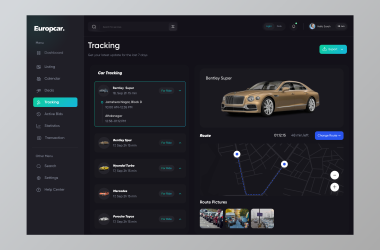
The tech is getting better, too. Apps that let you unlock the car with your phone, digital dashboards that track your usage, and AI that suggests the perfect car for your weekend plans. It’s all coming together. And as autonomous vehicles inch closer to reality, subscriptions might be the natural gateway. Why buy a robot car when you can just… subscribe to one?
That said, there’s a cultural shift happening. Ownership used to be a status symbol. Now, flexibility is. The ability to change your mind, to adapt, to not be tied down—that’s the new flex. And it’s not just about cars. It’s about how we live, work, and move through the world.
Is It Right for You? A Quick Self-Check
Before you jump in, ask yourself a few things:
- Do I drive less than 1,200 miles a month on average?
- Do I hate dealing with oil changes, tire rotations, and DMV paperwork?
- Do I value the ability to switch cars over the stability of owning one?
- Is my parking situation a constant source of stress?
If you answered yes to most of those, a subscription might be your jam. If not, well, the traditional route still has its merits. No shame in that.
At the end of the day, the rise of subscription-based car ownership isn’t just a trend—it’s a response to the way our lives have become more fluid, more digital, and less anchored to physical things. The car is no longer a symbol of permanence. It’s a tool, a service, a means to an end. And in the city, where space is tight and time is tighter, that’s exactly what we need.
So, the next time you see a sleek sedan parked on a city street with a small “subscription only” sticker on the window, don’t roll your eyes. Take a closer look. That’s not just a car. It’s a glimpse into the future of mobility—one that’s flexible, accessible, and refreshingly free of the baggage that comes with ownership.